Last Updated: November 5, 2026
Wellborne takes emergency well calls outside regular business hours for homes and farms across Suffolk and the communities within about 30 miles. Our regular hours are listed at the foot of every page. Outside them, emergency calls are taken: no water at all, a pump that will not stop, and storm or flood damage to the well.
What makes it an emergency
Not every well problem has to be fixed tonight. Three situations do:
- No water at all. No drinking water, no cooking, no flushing. With children, older relatives or livestock in the picture, it cannot wait.
- A pump that runs without stopping while the pressure stays low. A submersible motor needs water flowing past it to stay cool. Running dry, it can be ruined in hours.
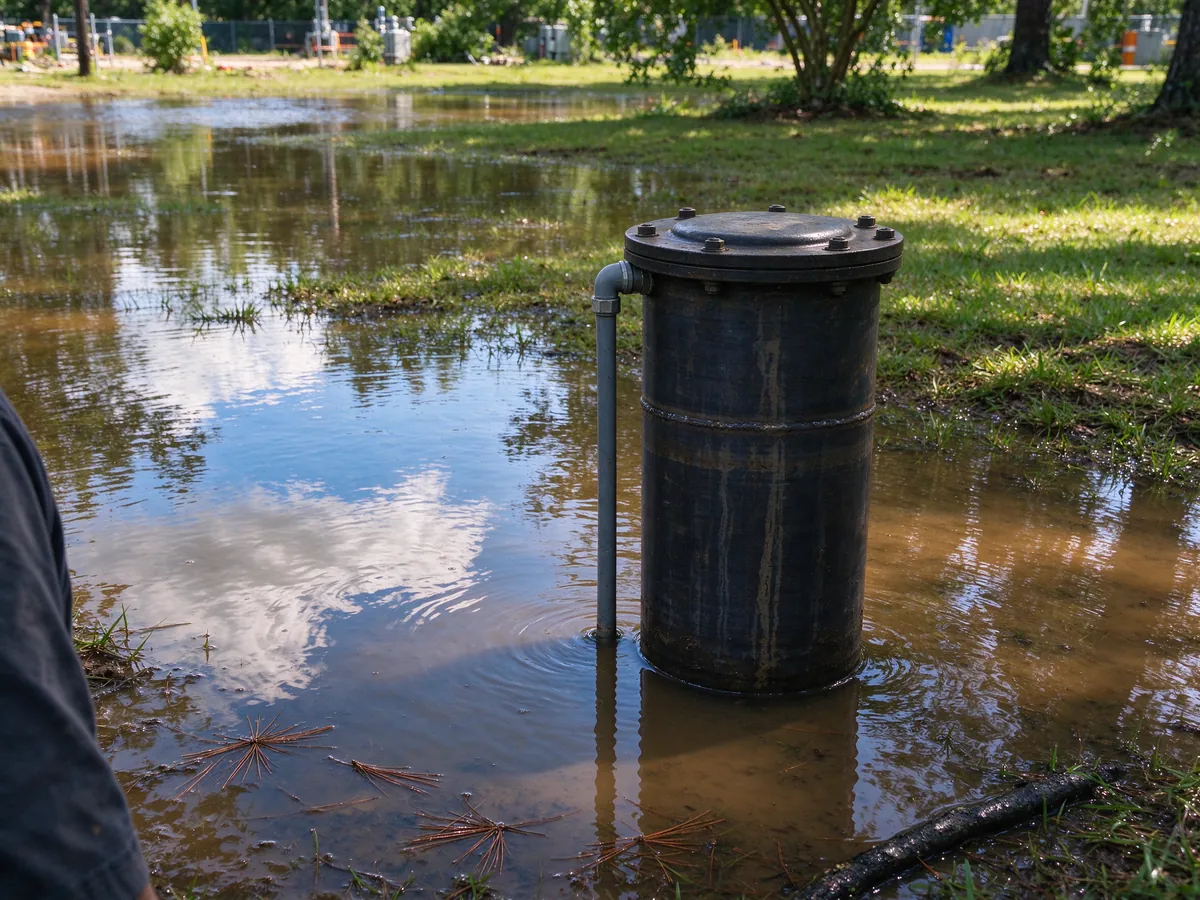
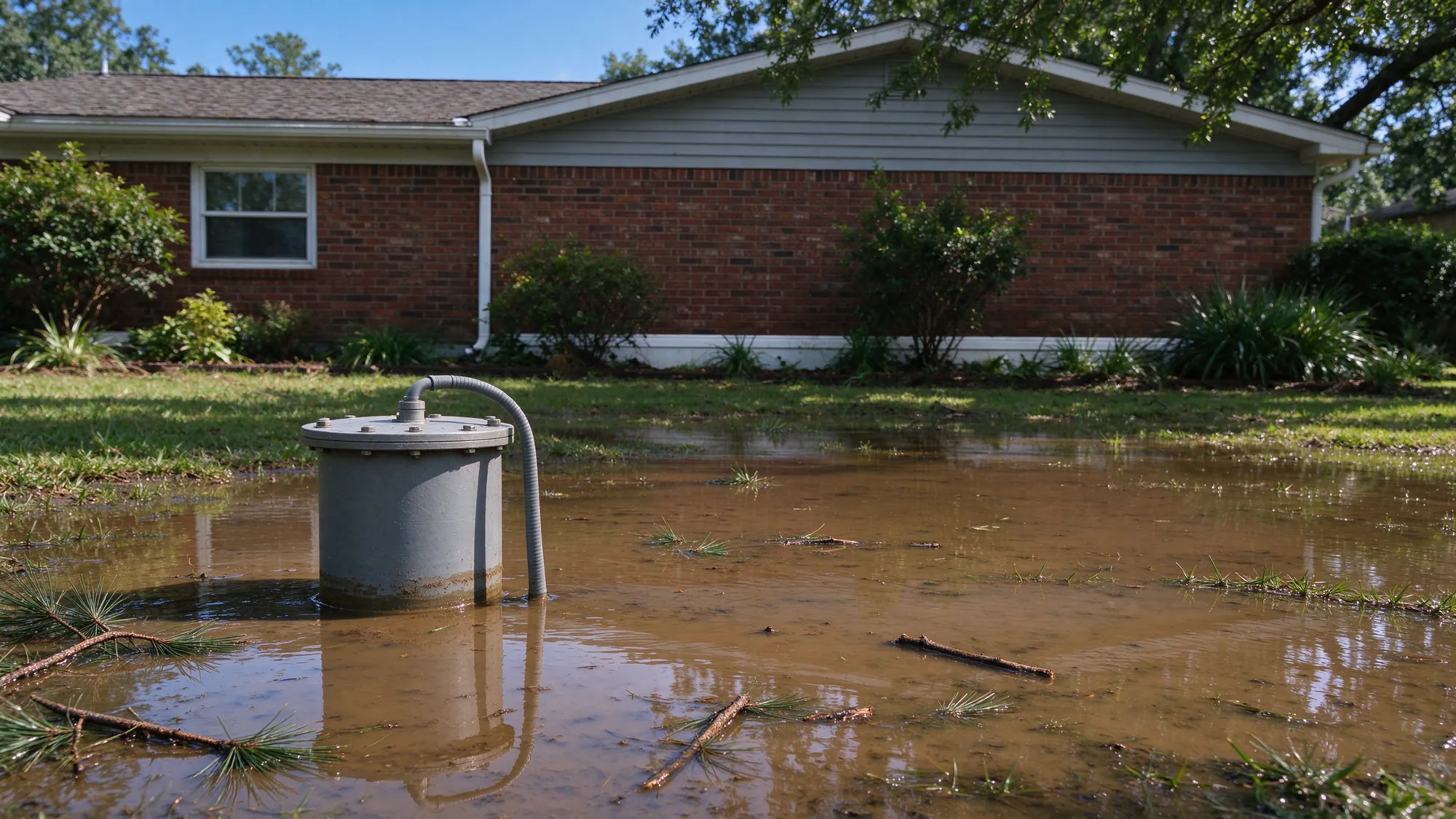
- Floodwater at the wellhead. Water around a pump’s electrics is a shock hazard, and floodwater entering the well can contaminate it.
Weak pressure with water still flowing, a pump that short cycles, or water that tastes or looks different are real problems, but they usually wear equipment rather than stop the water. Those can usually wait for regular hours unless they are getting worse fast.
What to do before help arrives
- If the pump is running and no water reaches the house, switch off its breaker. That protects the motor.
- If the breaker tripped, reset it once. If it trips again, leave it off. Repeated resets can burn out a motor that could have been saved.
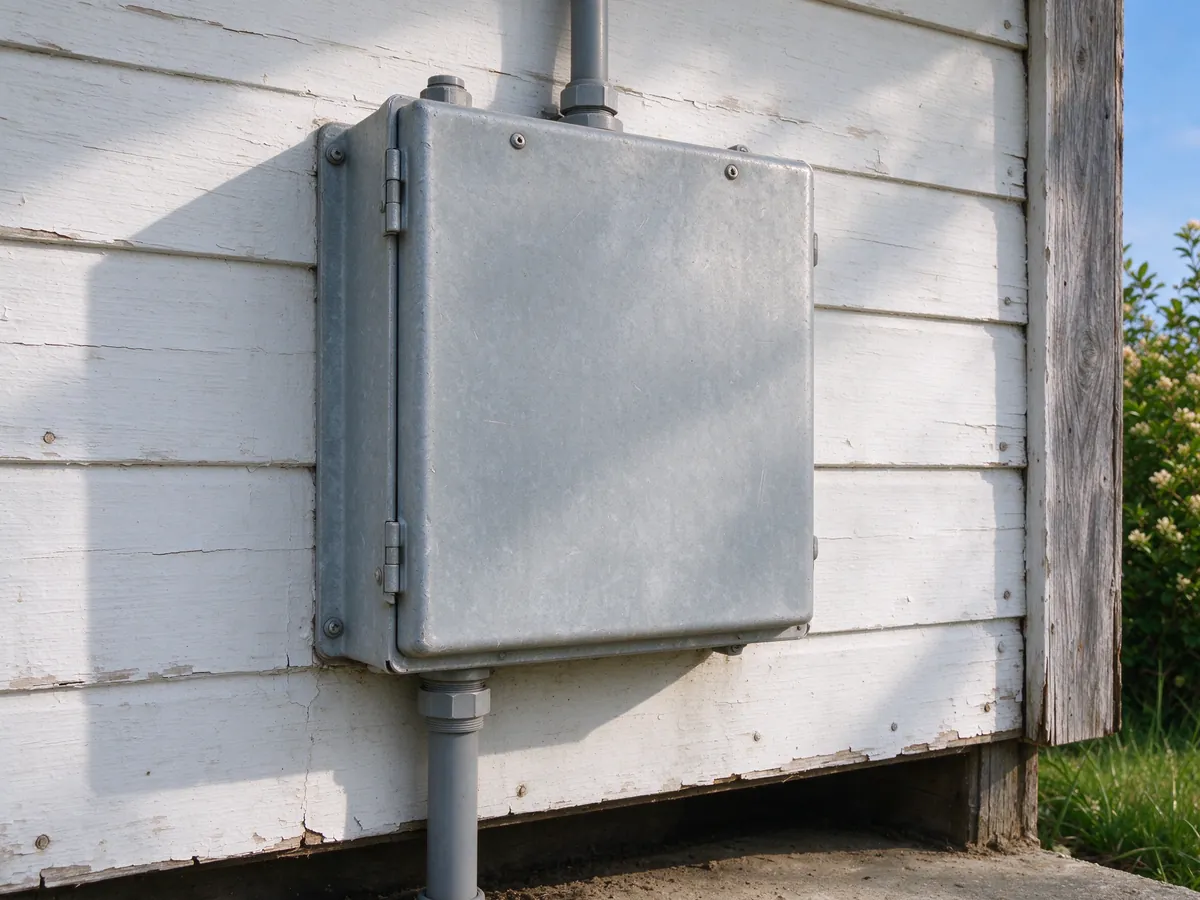
- Stay away from electrics in standing water. If water has reached the well house, control box or panel, do not touch anything until the power is off at the main.
- Note the gauge, the breaker and any noise. Those three details often tell us what to bring.
- Store water. A few gallons for drinking and flushing make the wait easier.
What the visit does
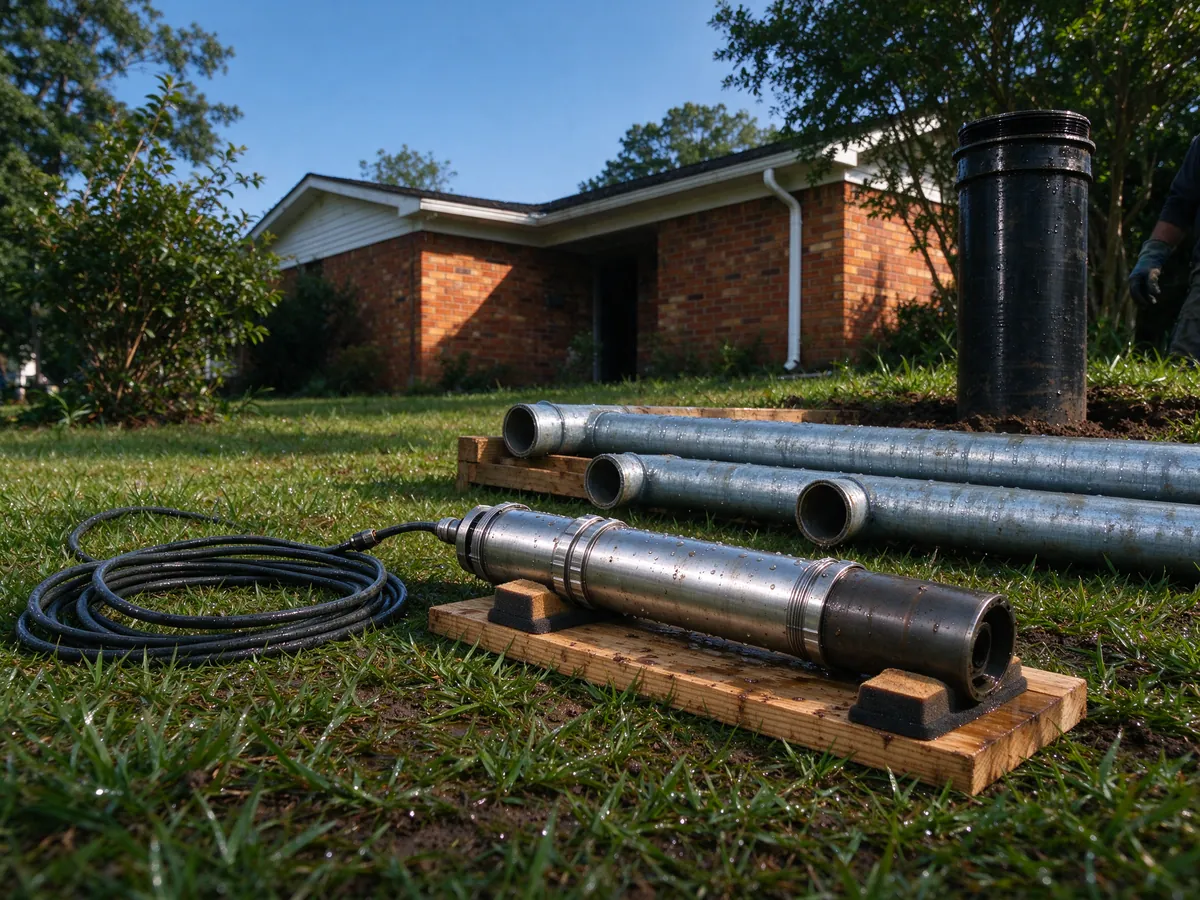
An emergency visit follows the same order as any other: power, controls, pump, then the well. Thunderstorms and power surges often take out a pressure switch, a start capacitor or a relay, and those are replaced at ground level, often on the same visit. If the readings point down the well, the pump is pulled. On deep Suffolk wells, where 59% of owners in a Virginia Tech extension clinic reported depths over 300 feet, that is a bigger job, and whether it can be completed the same night depends on the depth, the access and the parts needed. You are told what was found and what it will take before work goes ahead.
Storms and lightning
Hampton Roads summers bring frequent thunderstorms. A nearby strike can travel down the power line or the well cable and damage the switch, the control box or the motor. After a storm, if the power is back and the water is not, check the pump breaker first and then the pressure switch. If the switch has a low-pressure cutoff lever, it may need holding up while the pressure builds. If that does not bring the water back, it is a call.
Hurricanes and floods
Low ground along the Nansemond and the James, and around Back Bay, can flood in a hurricane or a tidal surge. If water has covered or reached the wellhead:
- Keep the power off to the pump and any submerged electrics.
- Assume the water is unsafe to drink until the well has been disinfected and tested.
- Expect the pump, control box and switch to need testing before they are powered up again.
Virginia’s private well rules require a well to be disinfected before it is placed back in service. After a flood, that disinfection, a full flush and a clear bacteria test come before anyone drinks the water.
Farms and livestock
On farms, a well outage affects animals as well as people, and larger pumps take longer to diagnose and replace. Tell us on the call if livestock depend on the well, how many, and whether there is any stored water. That helps decide what can be done first to restore some supply.
After the emergency
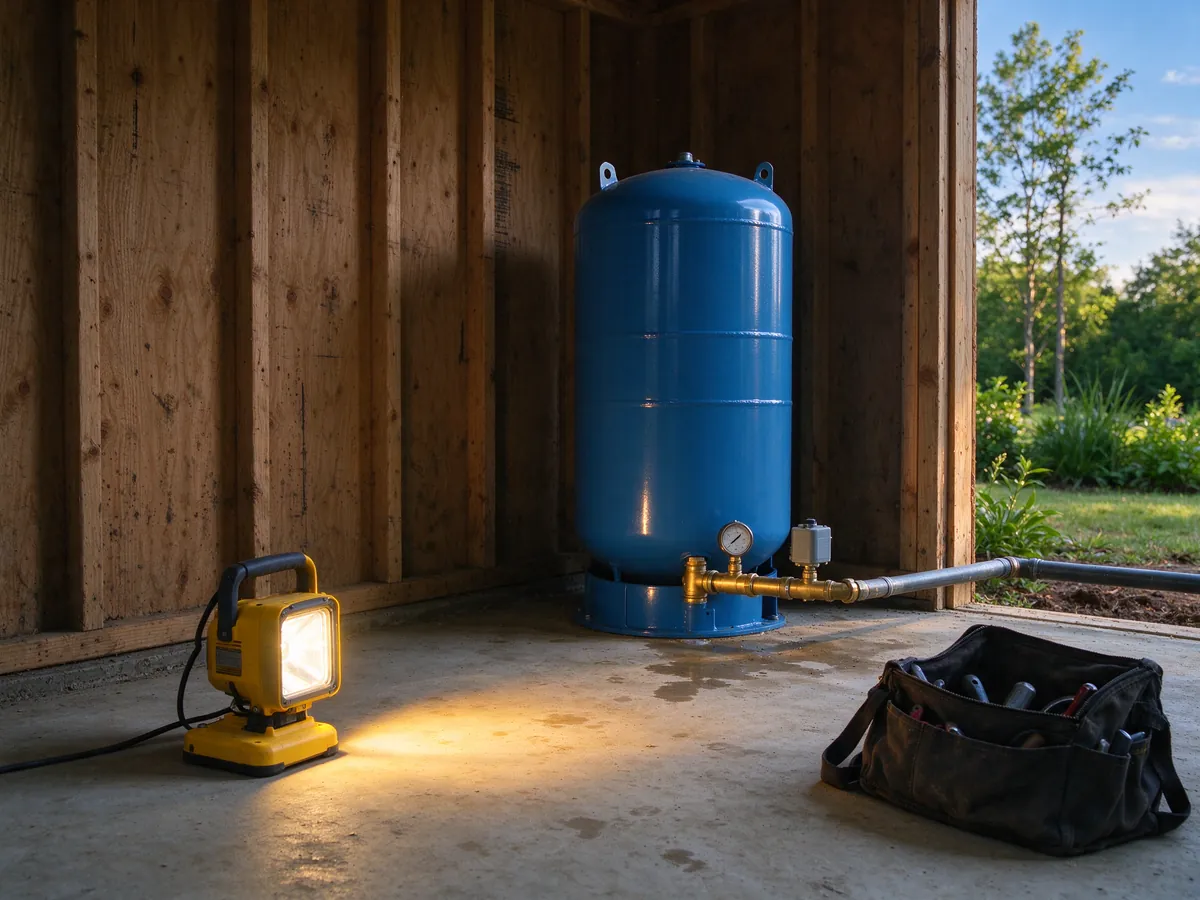
Once the water is back, the system is run through full cycles to check that the pump starts and stops correctly and the tank holds its charge. If the cause was a surge, a lightning arrester can protect the new parts. If the well was opened or flooded, disinfect, flush and test for bacteria before drinking the water. The work is carried out by water well systems providers certified through DPOR, Virginia’s licensing department.
Questions you will be asked on the call
The call is short, but a few answers help decide what happens next and what to bring:
- Is there any water at all? A trickle points somewhere different from nothing.
- What does the pressure gauge read? Zero, low and steady, or rising slowly.
- What is the breaker doing? On, tripped, or tripping again after a reset.
- Do you hear anything? A hum from the control box, clicking at the switch, or the pump running.
- What happened before it stopped? A storm, an outage, a long irrigation run, or nothing obvious.
- How deep is the well, if you know? A well record, an old invoice or a pump tag helps.
- Is the wellhead easy to reach? Locked gates, a buried casing or a tight well house change what has to be brought.
Temporary measures that are safe
Some situations allow water to be restored temporarily while a full repair waits for parts or daylight. A failed pressure switch can be replaced on the spot. A tripped low-pressure cutoff can be reset once the reason pressure fell is understood. A failed capacitor can be swapped. What is never done as a temporary measure is bypassing the switch, overriding protection or running a pump with a known electrical fault, because those turn a no-water night into a fire risk or a burned-out motor.
Whether a fault can be fixed the same night is explained on site, along with what a full repair involves if it has to wait for parts.
What is included
- After-hours call and triage over the phone
- Advice on making the system safe until the visit
- Power, switch and control box tests
- Pump circuit amp and insulation tests
- Temporary or permanent repair as the fault allows
- Pump pull where the fault is down the well
- Flood and storm damage checks
- Disinfection advice before drinking the water
Choosing between the options
| Situation | Emergency? | Why |
|---|---|---|
| No water at all in the house | Yes | No drinking, cooking or flushing water |
| Pump running constantly, pressure not rising | Yes | A pump running dry can burn out within hours |
| Floodwater over the wellhead | Yes | Electrical hazard and possible contamination |
| Weak pressure, water still flowing | Usually not | Can wait for regular hours unless it is getting worse |
| Pump short cycling | Usually not | Wears equipment but rarely stops the water at once |