Last Updated: November 5, 2026
Wellborne seals old and unused wells across Suffolk and the communities within about 30 miles, under the Virginia Department of Health’s private well rules. An open or poorly closed well is a direct path from the surface to the aquifer that the rest of the neighborhood drinks from, and a hazard to people and animals at the surface.
When a well counts as abandoned
Virginia’s private well regulations treat a well as abandoned when its pump has been disconnected for any reason other than repair or replacement, when its use has been discontinued, or when the owner declares it abandoned. The rules recognize two kinds:
- Temporarily abandoned wells are meant to return to service. They must be sealed with a water-tight cap or wellhead seal and kept so they cannot become a source or channel of contamination.
- Permanently abandoned wells will not be used again. They are sealed under a permit by the methods the regulation sets. Once properly sealed, most are no longer classified as wells at all.
Old wells turn up all the time around Suffolk: a dug well behind an old farmhouse, a bored well left when a drilled well replaced it, a well cut off when a property connected to city water. All of them fall under these rules.
The permit and the notice
Since November 6, 2024, a written VDH construction permit is required to abandon a private well, just as it is to build one. The standard fee is $300, but Virginia’s fee regulation charges nothing to abandon a well on the owner’s principal place of residence. The owner or the owner’s agent must give the local health department advance notice of the abandonment so its staff can observe; the work does not have to wait for them to arrive.
When a new well is being drilled to replace an old one, the abandonment is usually a condition of the new well’s permit.
How a well is sealed
The aim, in the regulation’s words, is to prevent contamination from reaching groundwater through any part of the well: the casing, the space around it or the top.
- Clear it. The pump, drop pipe, wiring and any debris are removed. Casing may be salvaged where the method allows.
- Check it. The well is checked from the surface to its full depth for obstructions that could stop the grout from reaching the bottom.
- Chlorinate it. The well is thoroughly chlorinated at the regulation’s dosage before sealing, the same disinfection step used after pump work.
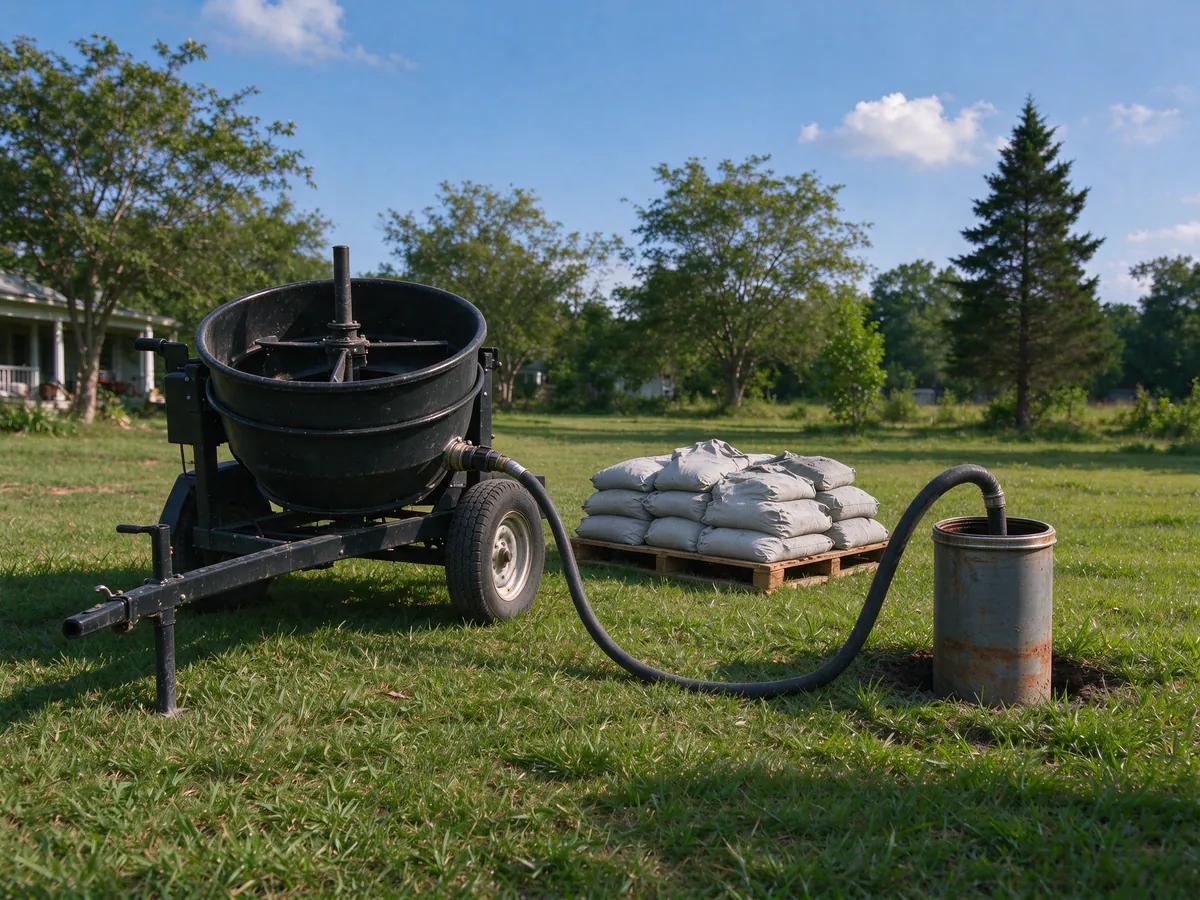
- Fill it. Grout meeting the regulation’s specification is placed to fill the well, from the bottom up on drilled wells so no voids are left. Bored, rock-lined, brick-lined and uncased wells have their own permitted methods, including clean fill with grout in specified zones.
What cannot go down a well
The regulation is specific about prohibited materials, even if they would count as clean fill elsewhere:
- Contaminated soil or media.
- Rubble: non-manufactured gravel, brick, broken concrete, crushed glass, porcelain or road pavement, except as small incidental parts of natural soil.
- Flowable fill (controlled low-strength material) or any product made with fly ash, other coal combustion byproducts or other waste.
Filling an old well with yard debris, rubble or leftover concrete is exactly what the rules prohibit, because those materials leave voids and channels that let surface water reach the aquifer.
Old dug and bored wells
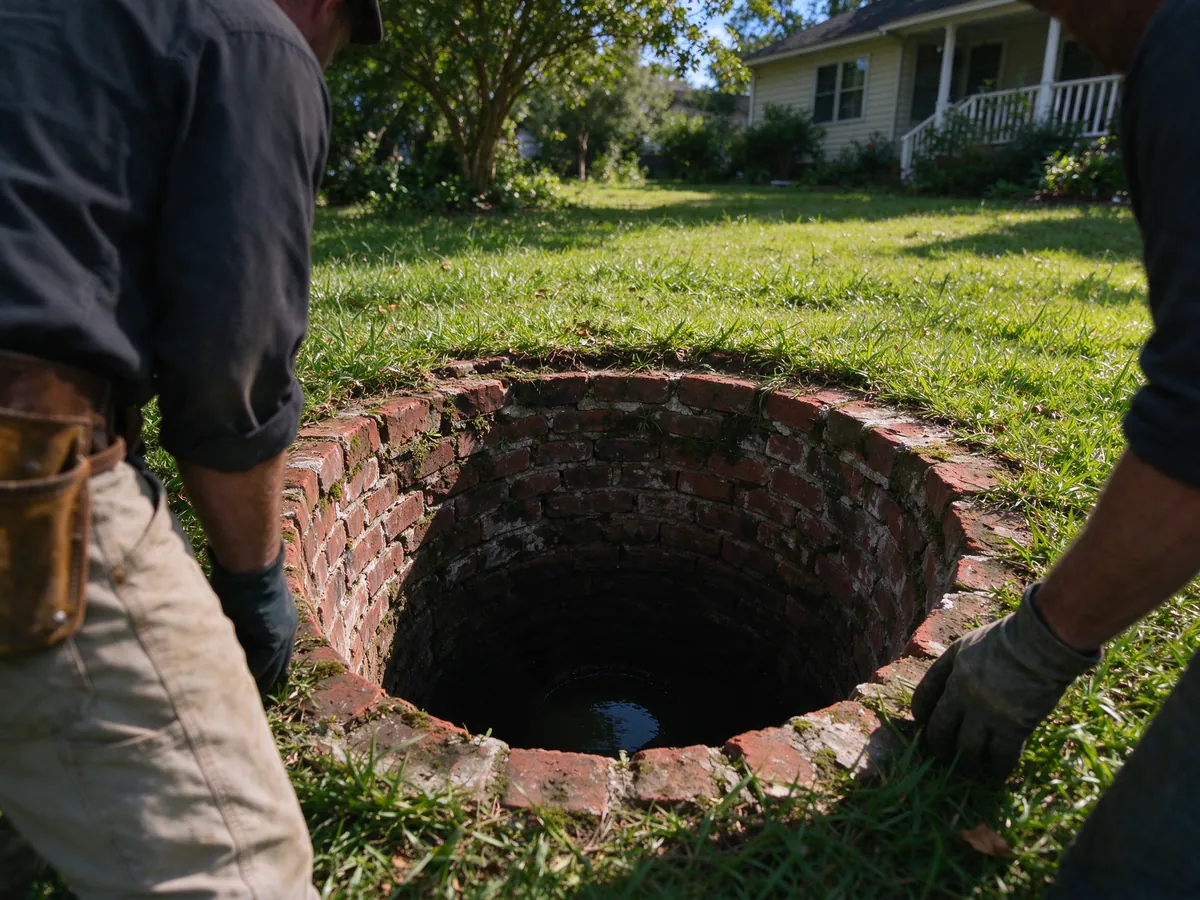
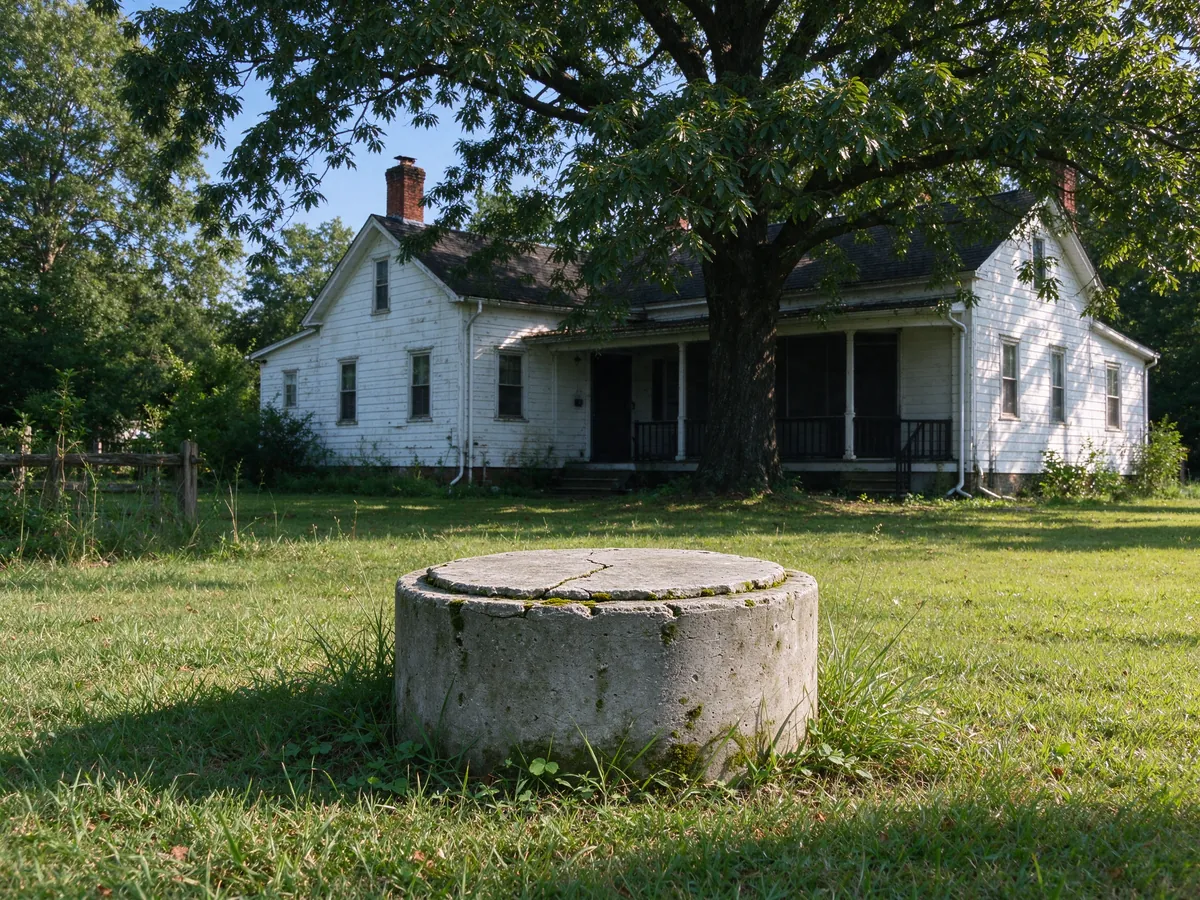
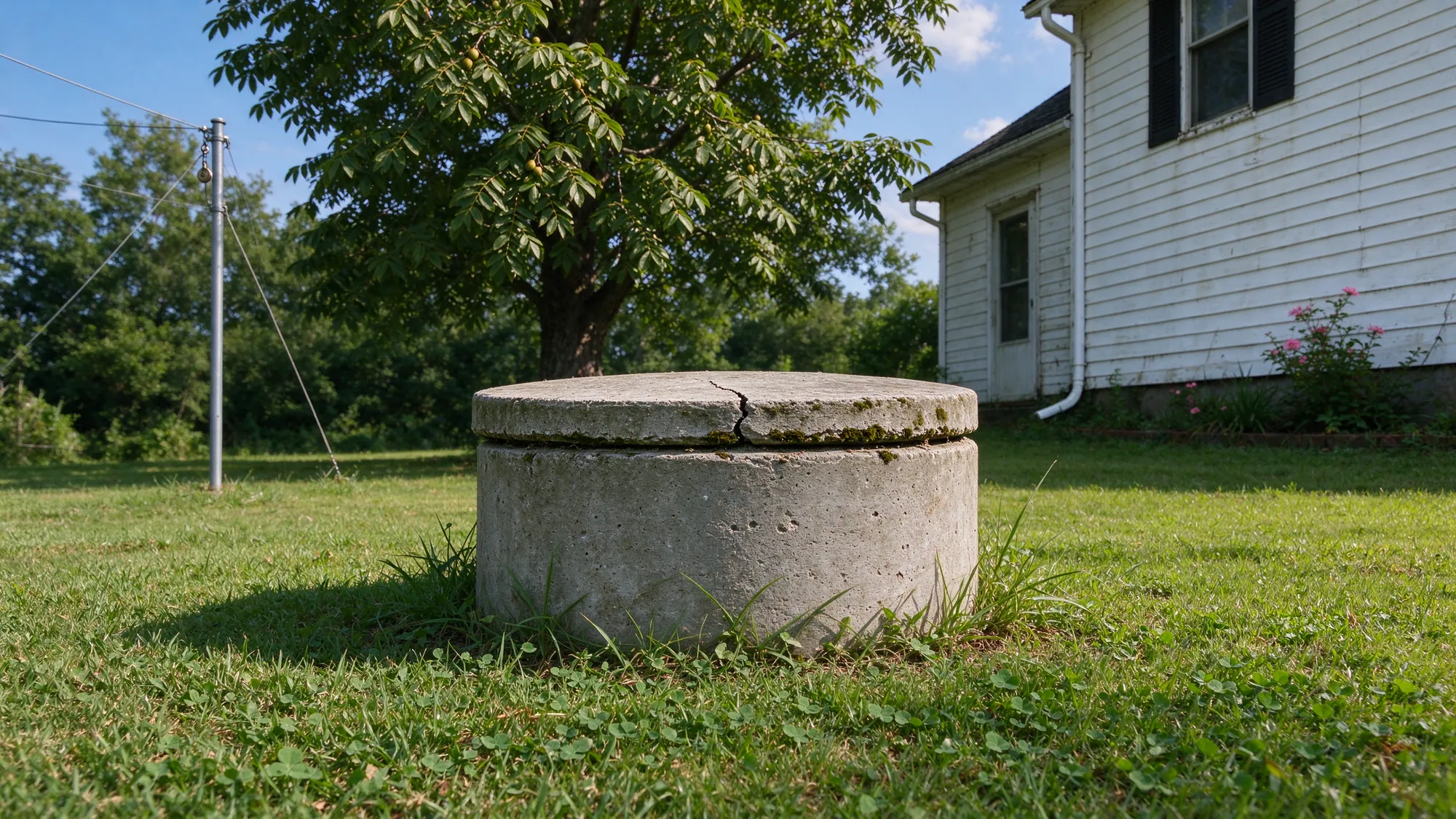
Many older Suffolk properties have shallow dug or bored wells, often fitted with jet pumps, sometimes lined with brick or concrete rings and topped with a slab or a wooden cover. In the Virginia Cooperative Extension clinic of 204 Suffolk households, about one well in ten was dug or bored, and 17% were under 50 feet deep. These wells draw from the shallow water most exposed to surface contamination. A cracked cover over an unused bored well is both a fall hazard and a direct route for runoff into the shallow aquifer. Sealing them follows the regulation’s methods for bored and lined wells.
Wells found during a sale
Buyers, lenders and inspectors often turn up an old well during a home sale. VDH does not require a well inspection at transfer, but an unsealed abandoned well is a liability a buyer will usually want resolved. Sealing it before closing, with a report to show for it, is cleaner than negotiating over it.
When to seal and when to keep
Not every unused well needs sealing straight away. A sound drilled well that may be useful later for irrigation can be kept as a temporarily abandoned well, capped water-tight and maintained. An old well with a failing casing, a well too close to a septic system, or one nobody intends to use again is better sealed permanently. If you are unsure, a well inspection helps decide.
Who does the work
Abandonment is carried out by water well systems providers certified through DPOR, Virginia’s licensing department, under the VDH permit for the property.
Keeping an old well safe until it is sealed
Until the work is done, make the well safe. Cover a dug or bored well with something strong enough to stand on, weighted or fixed so it cannot slide off, and keep children, pets and livestock away. Do not drop anything into it. If the well still has a pump and wiring, switch off its circuit. A drilled well with an intact cap, like most deep Suffolk wells, is less of a fall hazard, but the cap should be sealed so insects and runoff cannot get in.
What sets the cost
The price of sealing a well depends on its depth and diameter, which set the volume of grout; what has to come out first, such as an old pump, pipe and wiring; any obstructions or debris inside; the well’s construction type, which sets the method; and access for equipment. The VDH permit costs nothing for a well at your own home and $300 otherwise. A shallow bored well with a wide diameter can use more material than a narrow drilled well hundreds of feet deep, so the two are priced differently.
Connecting to city water
When a property connects to a public water main, the old well does not simply stop mattering. If it is kept for irrigation, it stays a well, and its cap, seal and any cross-connection with the house plumbing need attention so well water can never flow back into the public supply. If it will not be used, it should be sealed as an abandoned well. Either way, the decision is worth making on purpose rather than leaving the well disconnected and open.
What is included
- Permit application to the local health department
- Advance notice so VDH can observe
- Removal of the pump, pipe and obstructions
- Depth check from surface to bottom
- Chlorination before sealing
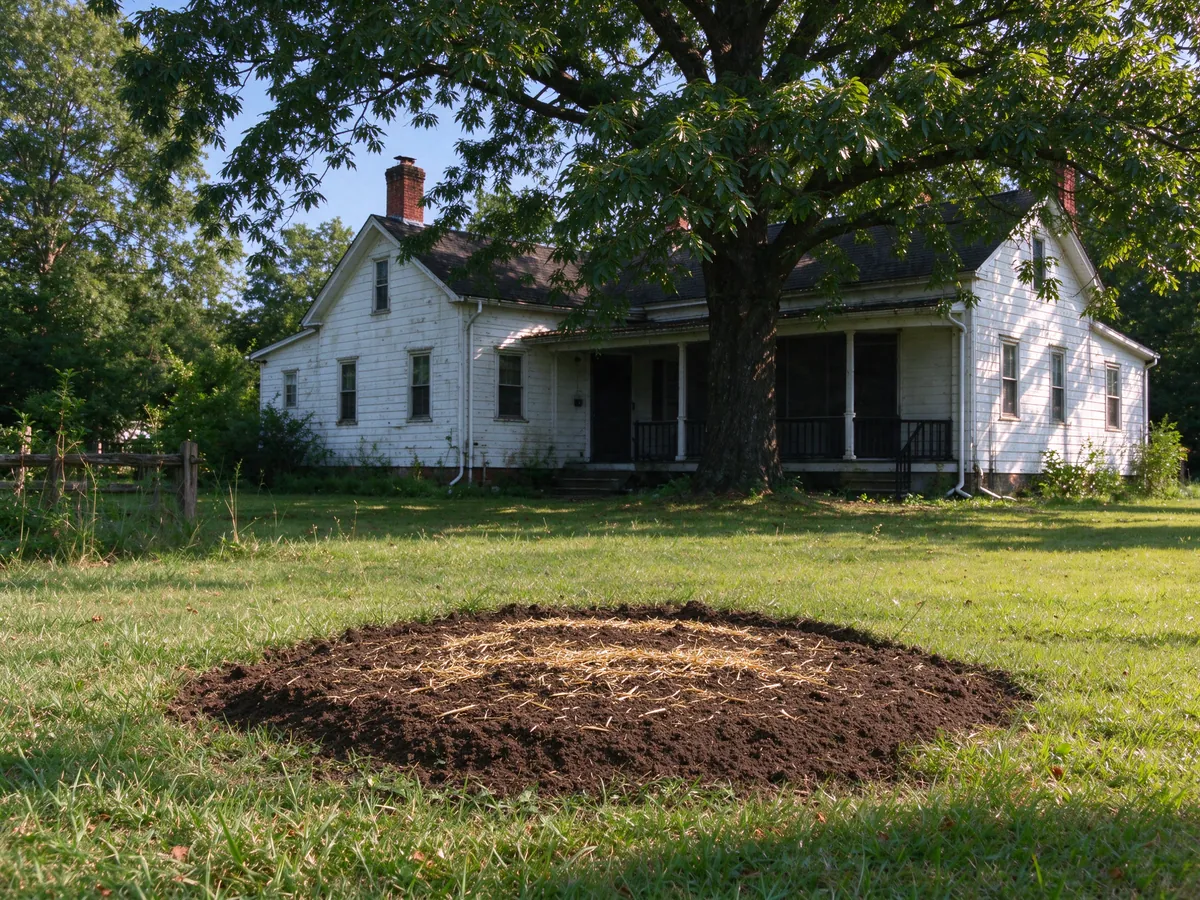
- Approved grout placed to fill the well
- Casing cut and site finished as required
- Abandonment report for your records
Choosing between the options
| Well type | Typical method | Notes |
|---|---|---|
| Drilled well with casing | Grout placed from the bottom up | Pump and pipe removed first; casing may be salvaged |
| Bored or dug well with brick or concrete lining | Clean fill and grout per the regulation | Specific methods for bored and lined wells |
| Temporarily unused well | Water-tight cap or seal | Kept from becoming a contamination channel |
| Old well found during a sale | Assess, permit, seal | Often a buyer or lender request |