Last Updated: November 5, 2026
Wellborne repairs jet pumps on the shallow wells around Suffolk, Isle of Wight and Virginia Beach: the bored, dug and driven wells on older lots and the irrigation wells that water lawns and gardens. In the Virginia Cooperative Extension clinic of 204 Suffolk households, 17% of owners reported wells under 50 feet deep, and those are the wells where jet pumps still earn their keep.
How a jet pump works, and where it fails
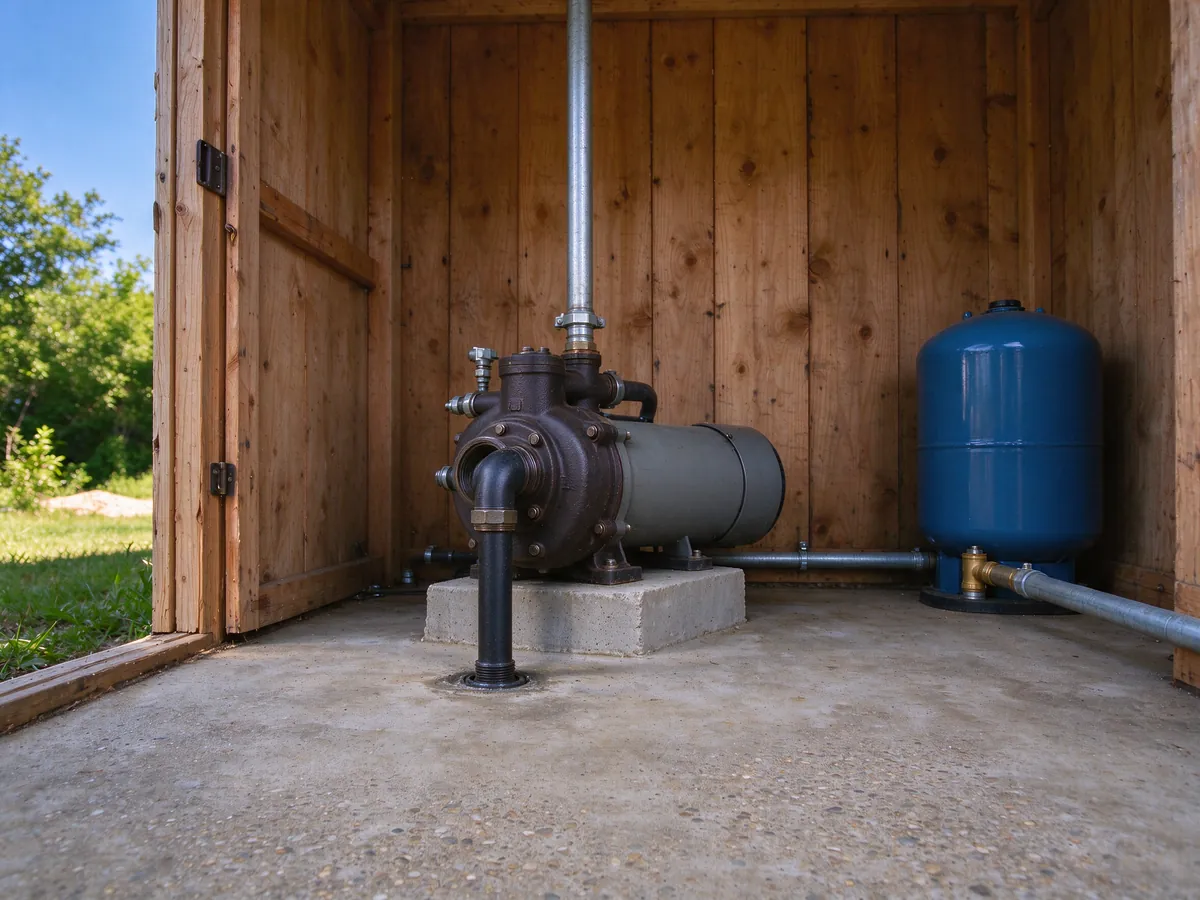
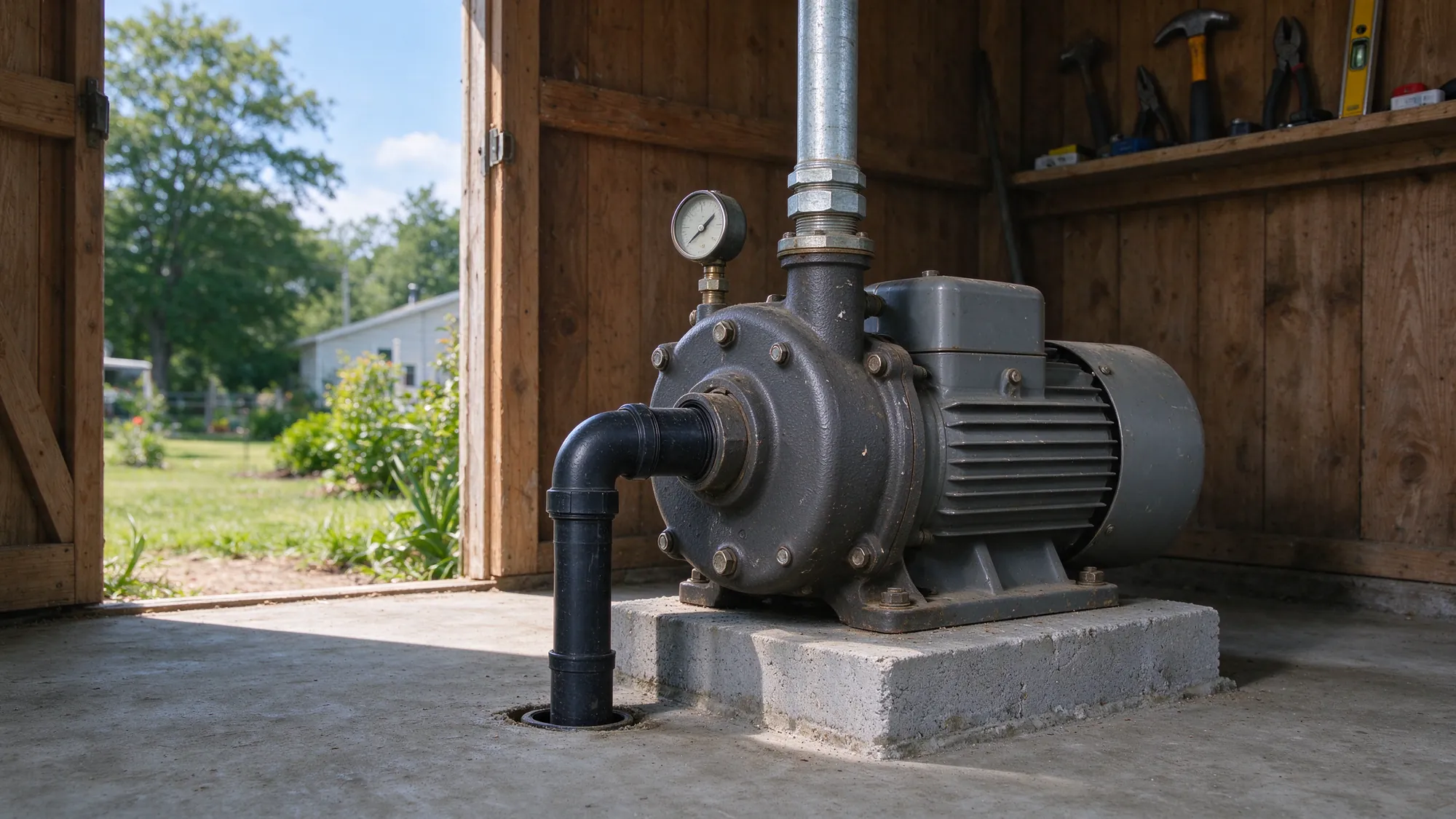
A jet pump sits above ground, in a well house, garage or crawlspace, and pulls water up a suction pipe from the well. Inside, an impeller pushes water through a narrow jet that creates the suction. A single-pipe pump can only lift about 25 feet; deeper wells need a two-pipe or “deep well” jet with the ejector down in the well.
Because it works by suction, a jet pump depends on an airtight suction side. One small air leak and the pump loses its prime: it spins, makes noise and moves no water. That is the most common jet pump call by far, and it is rarely the pump’s fault.
Lost prime: finding the air
Air gets in at four places:
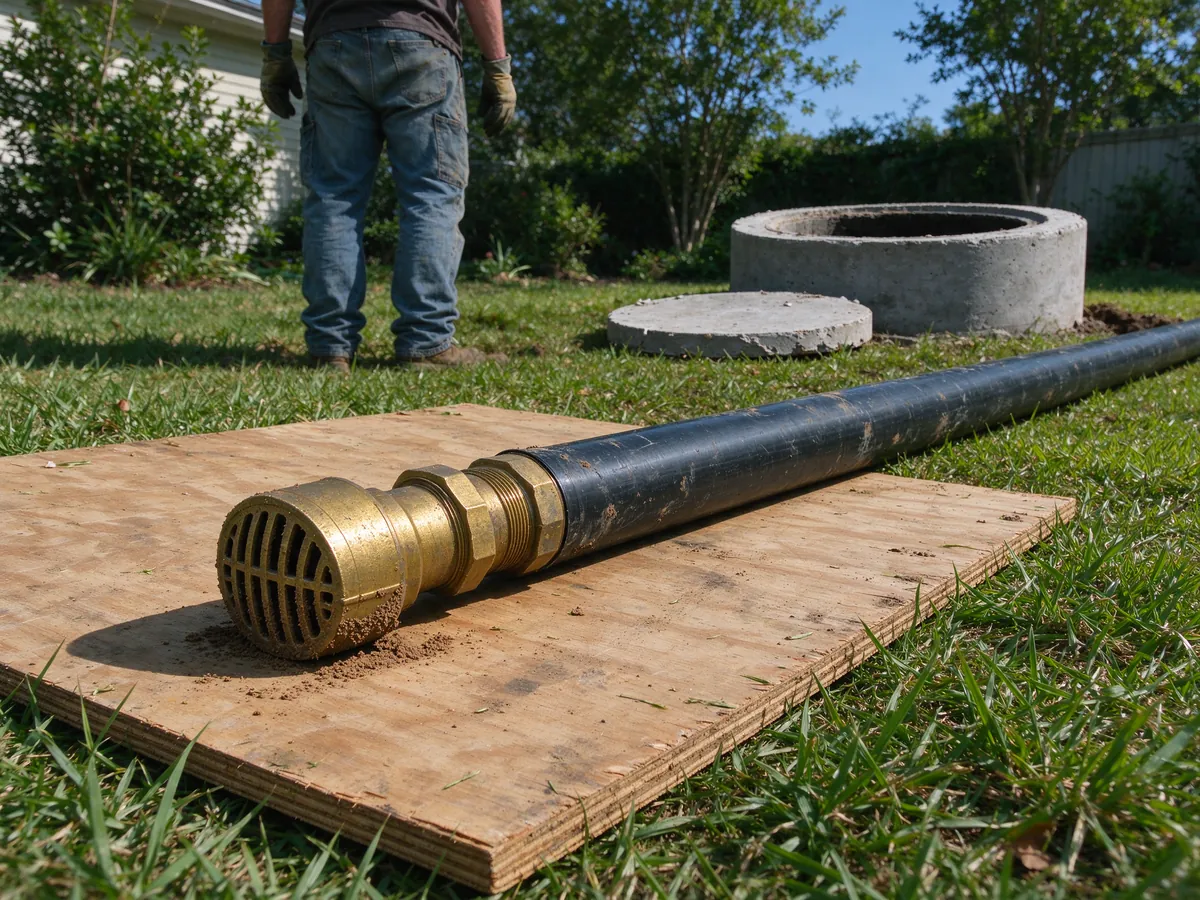
- The foot valve at the bottom of the suction pipe. When it wears, water drains back to the well whenever the pump stops, and the pump loses prime overnight.
- Fittings and joints on the suction line, especially threaded joints and old galvanized pipe.
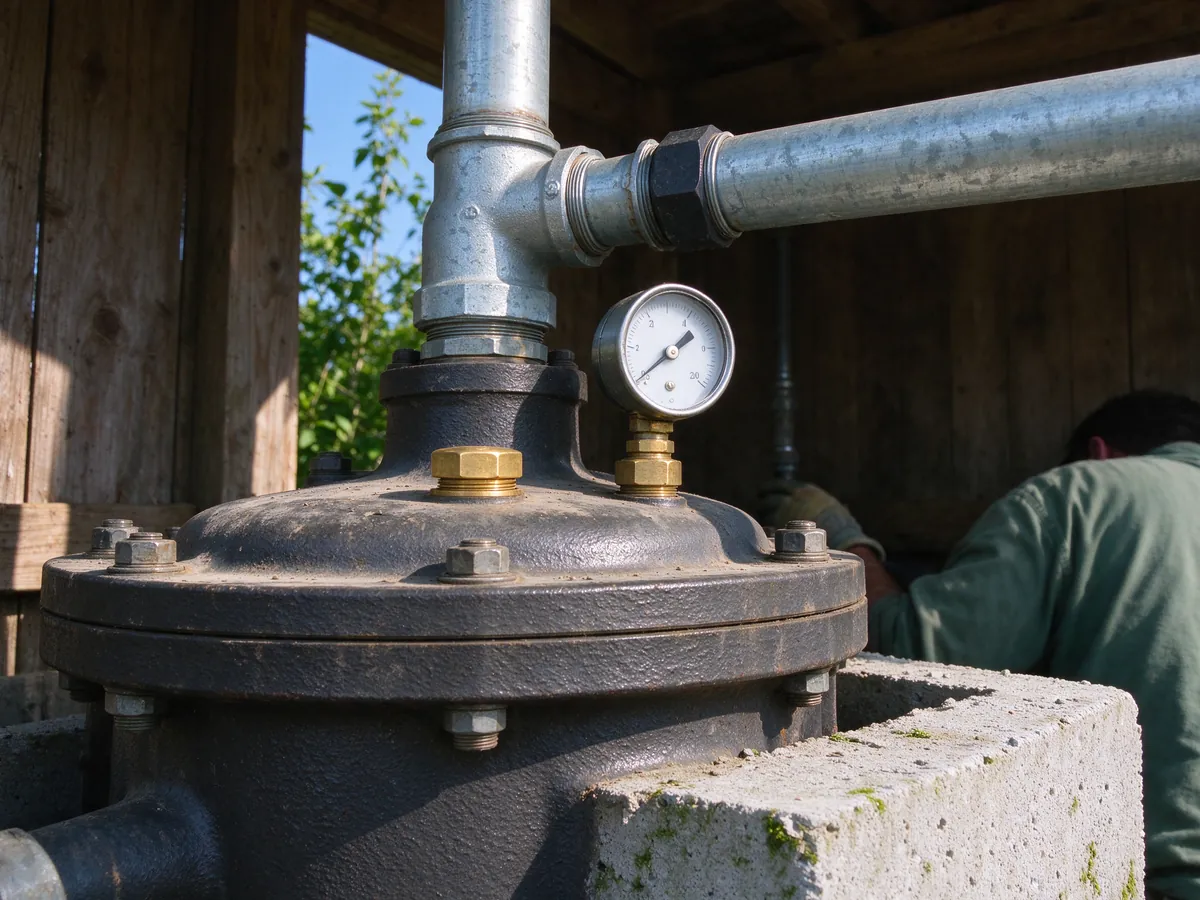
- The pump’s own seal or priming plug. A worn shaft seal lets air in while the pump runs and usually drips when it stops.
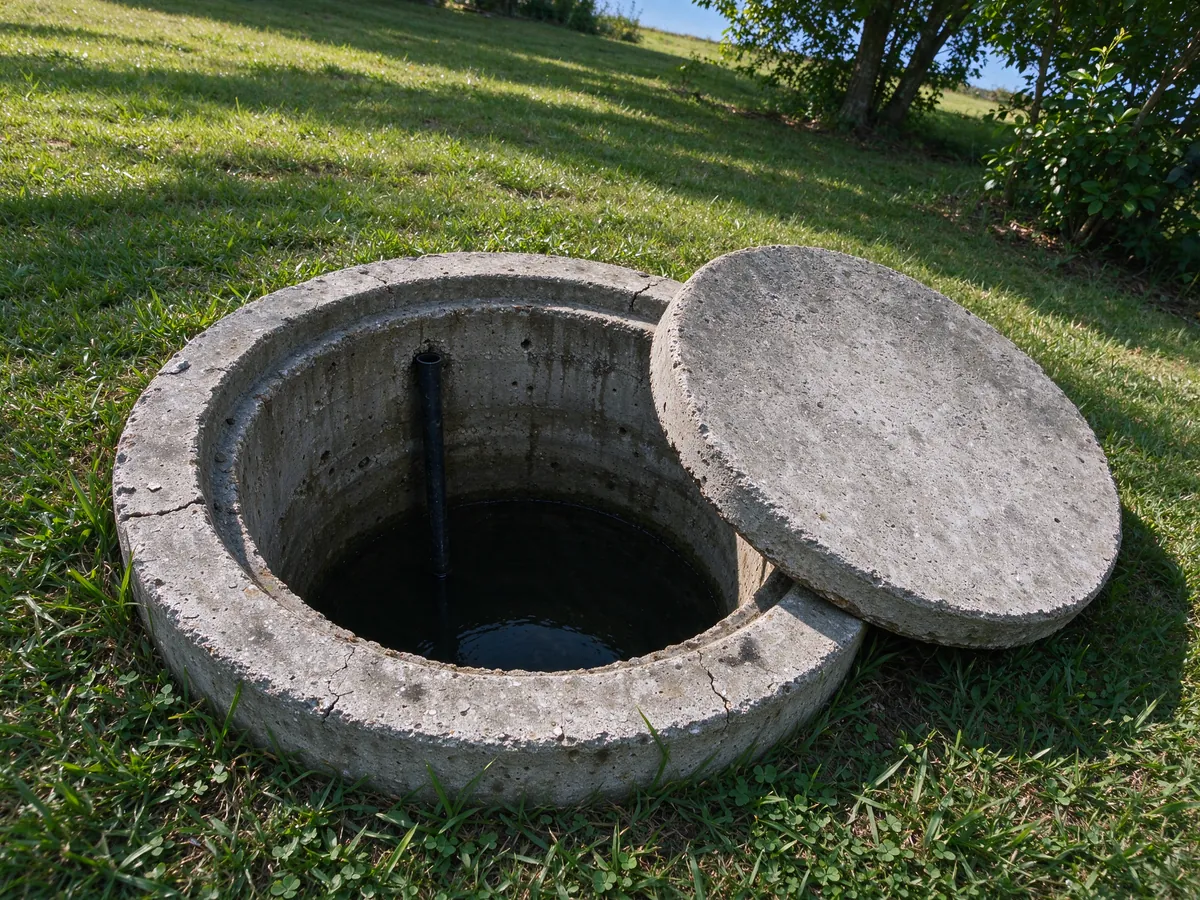
- The water level itself. In a dry spell, a shallow water table can fall past the pump’s lift.
We prime the pump and time how long it holds, then pressure-test the suction side to find the leak. Fixing a fitting or replacing a foot valve costs far less than a new pump that would lose prime the same way.
Pressure problems on jet-pump systems
Jet pumps run with a pressure switch and tank like any well system. Short cycling, weak pressure and a pump that never shuts off all have the same tank and switch causes on a jet system as on a deep well. A waterlogged tank makes a jet pump start every few seconds, and the constant starts wear out its seal. We check the pressure tank and switch on every jet pump call.
Rebuild, replace or convert
A jet pump with a sound motor and a worn seal or impeller can often be rebuilt. One with a failing motor or a cracked housing is replaced, sized to the lift from the water level and to the demand it has to meet, whether that is a household or a set of sprinkler zones.
Where the well is drilled with a casing wide enough for a submersible, usually 4 inches or more, converting is worth considering. A submersible sits in the water and pushes rather than pulls, so it cannot lose prime and is not limited to 25 feet of lift. It means new pipe and wiring down the well and removing the suction line. Small bored and driven wells often cannot take a submersible, so the jet stays.
Irrigation wells
Many jet pumps in the area run irrigation wells, especially in Virginia Beach, where USGS reports that groundwater in the north of the city is used mainly for irrigation. Irrigation pumps sit idle all winter and then run for hours a day, so spring is when worn foot valves and cracked fittings show up. Iron in shallow water often stains sprinkled surfaces orange and fouls the pump over time.
Water quality on shallow wells
Shallow wells draw from the surficial sands, which refill quickly from rain but are the most exposed to septic systems, fertilizer and runoff. In the Suffolk clinic, total coliform turned up in 21% of samples overall. For a shallow well supplying a house, an annual bacteria test and a sound, sealed cover matter more than for a deep drilled well. After any work that opens a drinking well, Virginia requires the well to be disinfected before it goes back into service.
Permits and who does the work
Replacing or repairing a jet pump needs no Virginia Department of Health well permit. A new or deeper well does. The work is carried out by water well systems providers certified through DPOR, the state’s licensing department.
Shallow-well or deep-well jet?
Not every jet pump in the area is a simple shallow-well pump. A shallow-well jet has its ejector inside the pump body and one suction pipe running down the well; it lifts about 25 feet. A convertible or deep-well jet has the ejector down in the well with two pipes: one carrying driving water down, the other bringing water up. Two-pipe systems reach somewhat deeper but are less efficient than a submersible at the same depth, and their buried ejector and pipes are harder to service.
Knowing which you have matters for the repair. A two-pipe system that loses pressure may have a clogged or worn ejector down the well, which means pulling the pipes. A shallow-well jet with the same symptom usually has a problem you can reach at the pump.
Signs your jet pump is wearing out
- It takes longer and longer to reach cut-out pressure even with no leaks on the suction side.
- It drips at the shaft between the motor and the pump body, which means a failing seal.
- It runs hot or trips its thermal overload, often from a seal or bearing dragging.
- The pressure surges while a tap runs, sometimes from air drawn in at a worn seal.
- The electric bill creeps up because the pump runs longer to deliver the same water.
A rebuild with a new seal and impeller can restore a pump with a sound motor. If the motor itself is the problem, replacement is usually the better value.
Winter and crawlspace pumps
Jet pumps in unheated well houses and crawlspaces are exposed to the cold. Hampton Roads winters are mild, but a hard freeze can crack a pump housing or a fitting on the suction line, and the leak may not show until the pump loses prime weeks later. A well house that stays above freezing, pipe insulation on exposed lines and a pump that drains properly if it is shut down for the season all help.
What is included
- Priming and run test with pressure and amp readings
- Suction-side pressure test for air leaks
- Foot valve and check valve inspection
- Impeller, jet and seal inspection on the pump
- Pressure switch and tank check
- Pump replacement sized to the lift and demand
- Disinfection where the well supplies drinking water
- Advice on converting to a submersible where it fits
Choosing between the options
| Option | When it fits | Trade-off |
|---|---|---|
| Repair the suction side | Pump loses prime but runs well once primed | Cheapest fix; the leak has to be found |
| Rebuild the jet pump | Worn seal or impeller, sound motor | Keeps the existing set-up |
| Replace the jet pump | Motor failing or pump body cracked | Same limits on lift and prime |
| Convert to a submersible | Casing wide enough, water deep enough | Ends priming problems; more work up front |