Last Updated: November 5, 2026
Wellborne replaces well pumps across Suffolk and the communities within about 30 miles, from the deep submersibles most Suffolk homes depend on to the jet pumps on shallow bored and driven wells. Replacement is the last step of a diagnosis, not the first: a pump only comes out of the well once the power, the controls and the water level have been ruled out.
What happens on the first visit
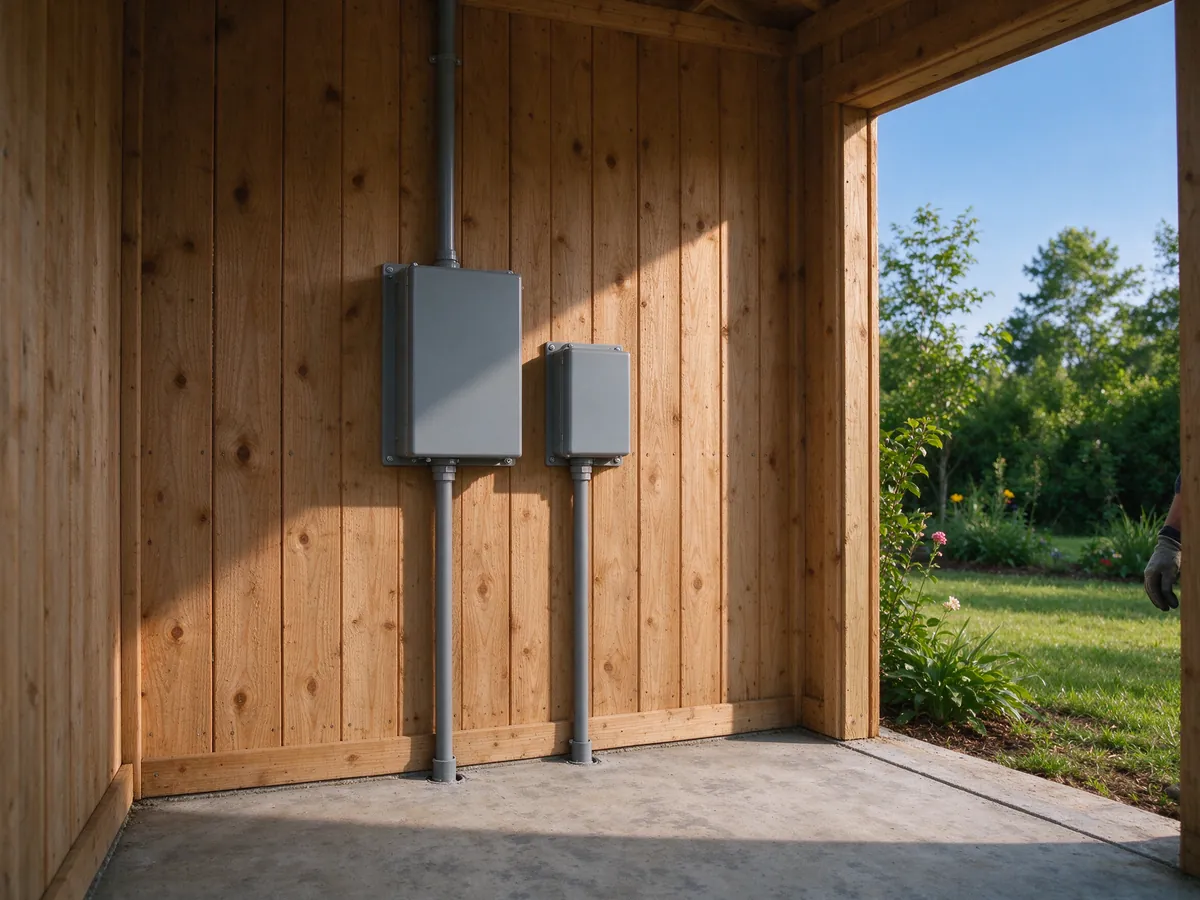
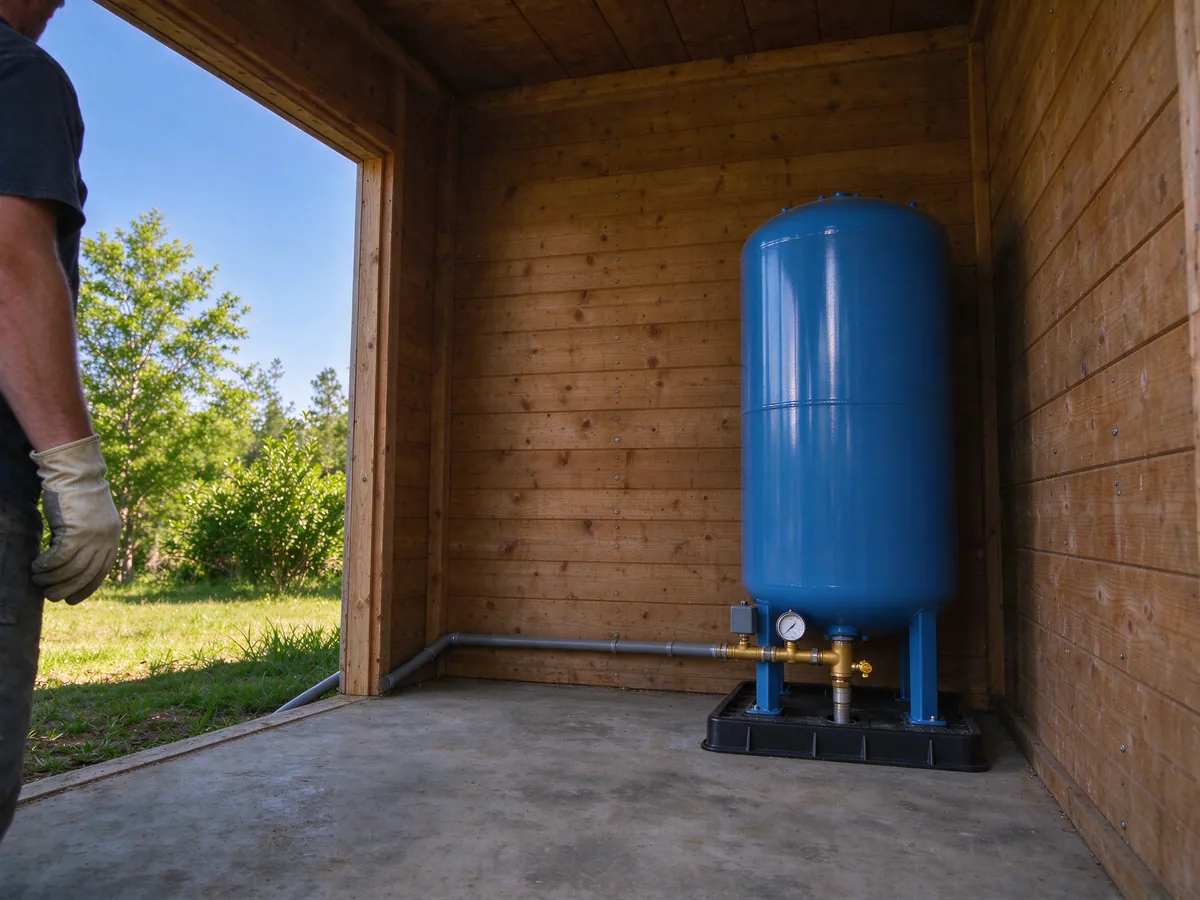
The first visit is about finding out what failed. We start at the electrical panel and the pressure switch, then the control box on three-wire submersibles, then the pressure tank. A clamp meter on the pump circuit shows whether the motor draws current and how much. Normal amps with no water at the tank point down the well, at a split drop pipe or a stuck check valve. Very low amps suggest the pump is running dry. No amps at all, with power present, points to the motor, the wire or a control part.
A megohm test on the motor leads separates a shorted motor from damaged cable. Where a splice down the well has failed, replacing the splice is a much smaller job than replacing the pump. You get the readings and what they mean before we agree any work.
Why a Suffolk replacement is usually a deep-well job
In a Virginia Cooperative Extension clinic of 204 Suffolk households, 59% of owners reported wells deeper than 300 feet and the average reported depth was 371 feet. Those wells draw from the deeper confined aquifers, and the pump hangs well down inside them. Every foot of drop pipe and cable has to come up through the pitless adapter and go back down again.
That depth shapes the job in three ways:
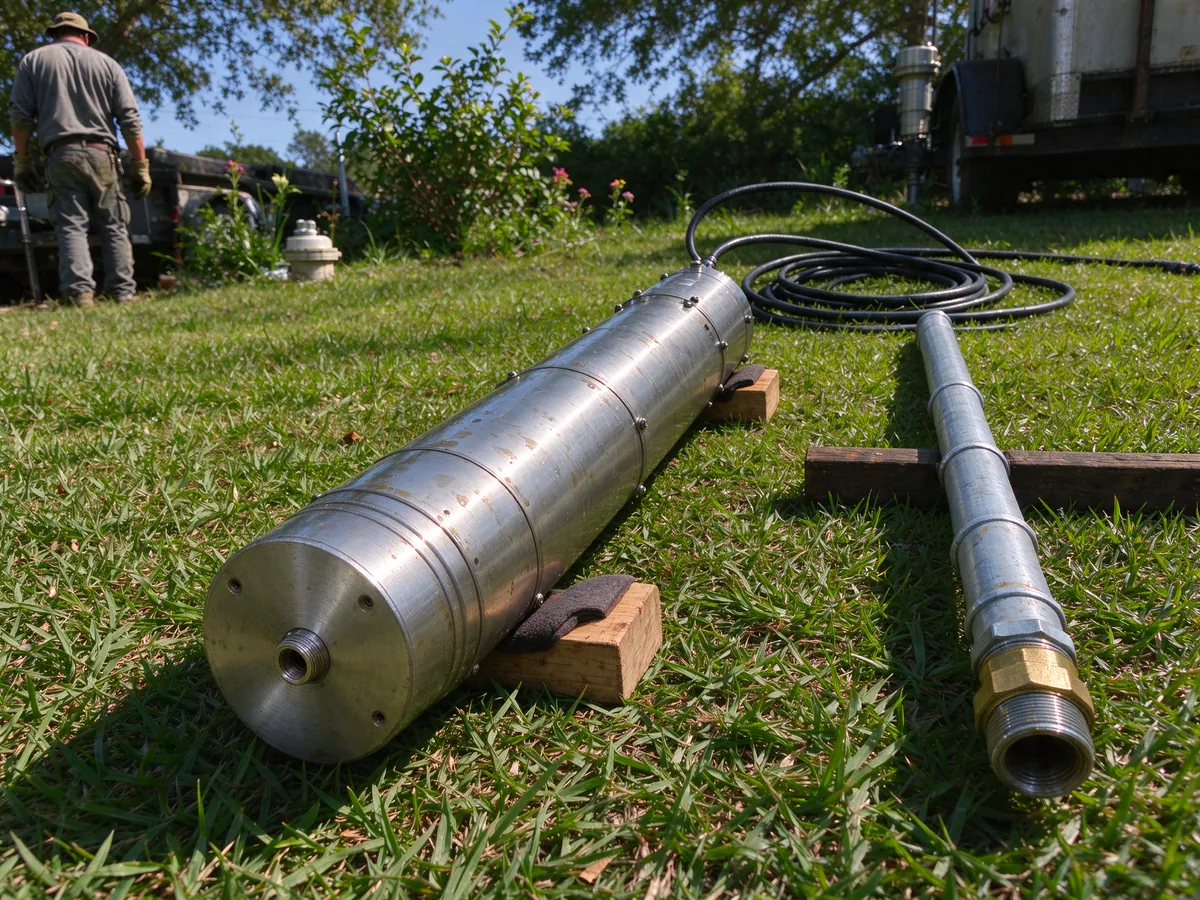
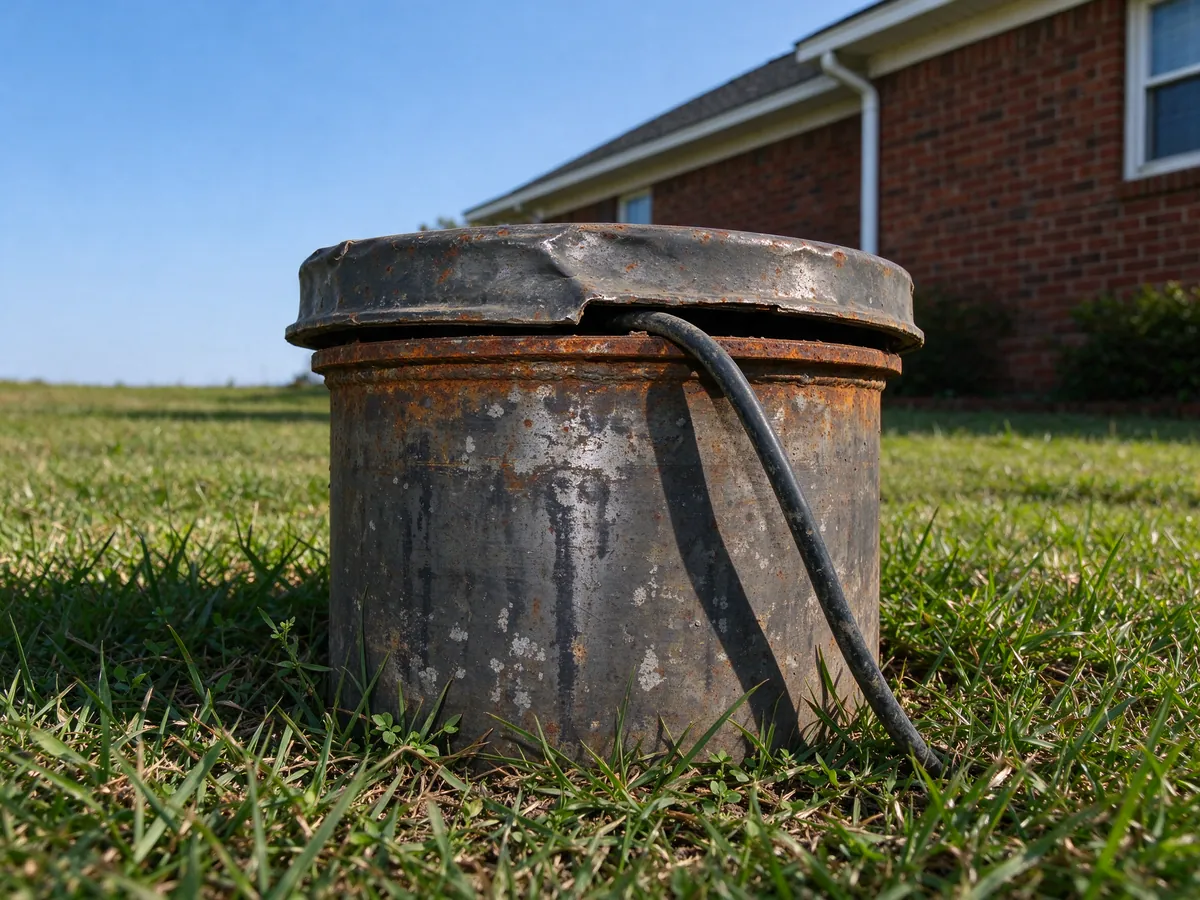
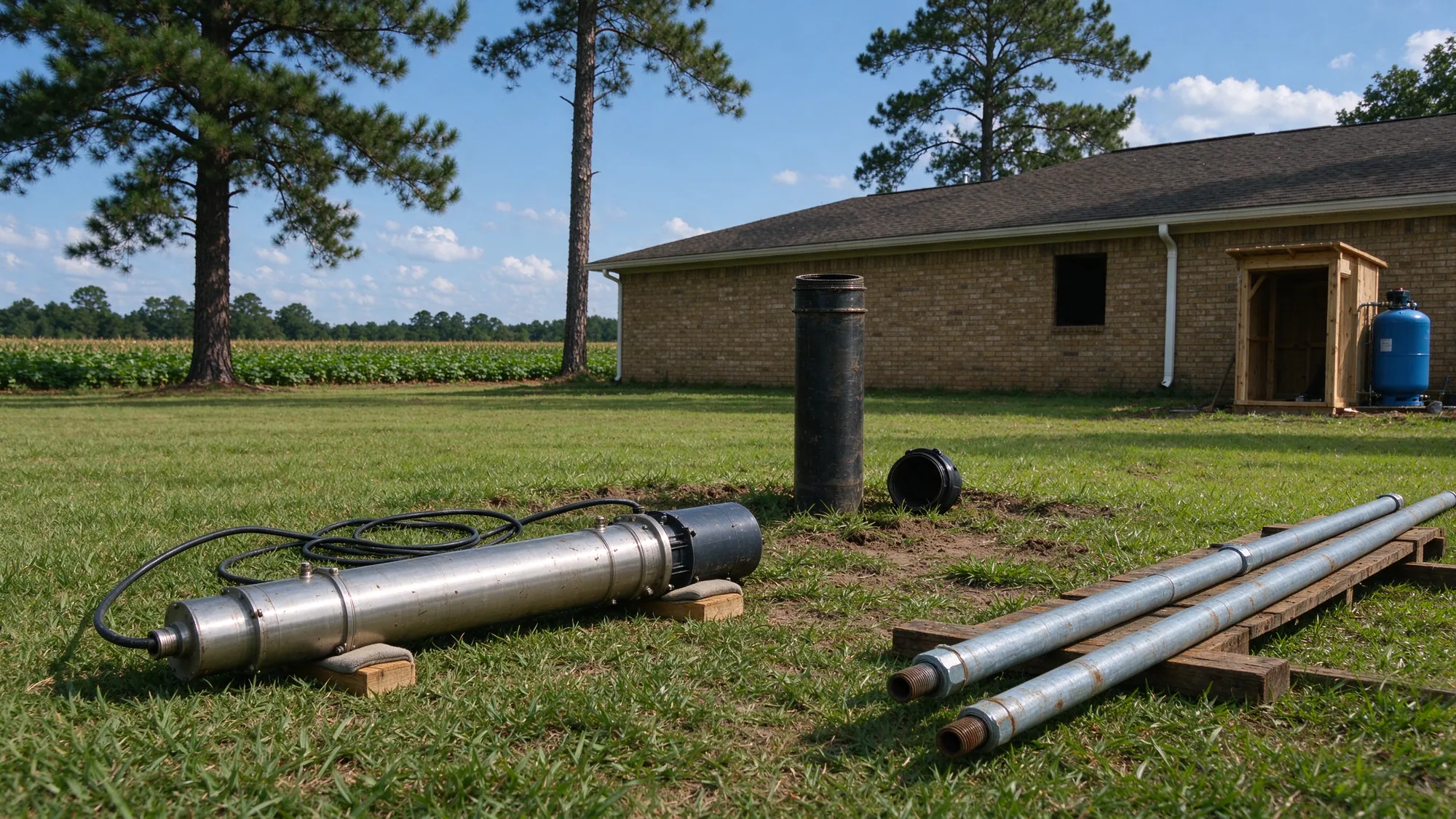
- Lifting. Hundreds of feet of water-filled pipe is heavy. Deep wells are pulled with a pump hoist or pulling rig rather than by hand, and access to the wellhead matters.
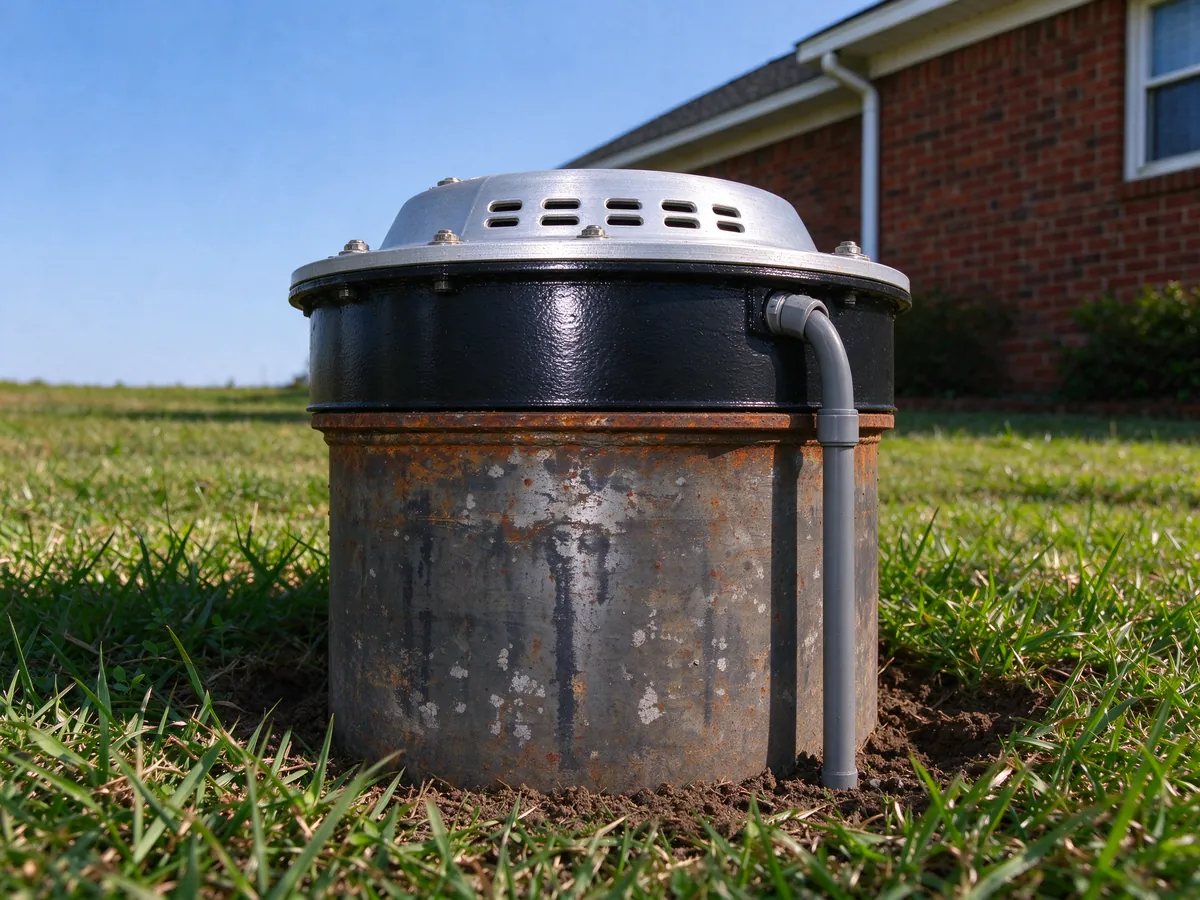
- Inspection. With the pipe out, every coupling, splice and check valve can be seen. Worn threads, a cracked coupling or a corroded fitting get replaced now, not after they fail.
- Wiring. Long cable runs lose voltage, so the wire size has to suit the depth and the motor. A replacement motor of a different horsepower or voltage may need new cable.
Choosing the replacement
A replacement pump is matched to the well, not to the label on the old motor. Four measurements set the choice:
- Static water level, where the water stands when the pump is off.
- Pumping water level, where it settles while the pump runs. The difference is the drawdown.
- Sustainable flow, how many gallons a minute the well gives without the level falling to the pump.
- Pressure range, the switch’s cut-in and cut-out, usually 40/60 or 30/50 at a house.
An oversized pump on a modest well pulls the level down until it draws air and short-cycles. An undersized one never reaches cut-out on a deep setting and runs far longer than it should. If the old pump was set too close to the pumping level, the new one may need to go deeper. If it was set too close to the bottom, it may have been pulling sand.
Two-wire submersibles have the start components built into the motor. Three-wire pumps use a control box at the surface. Either works; the choice affects which parts can be serviced without pulling the pump. A constant pressure drive is another option worth weighing when the pump is out anyway: it holds a steady pressure by varying the motor’s speed, but it needs a compatible motor and wiring.
Jet pumps on shallow wells
About one Suffolk well in six is shallower than 50 feet. Many are bored or driven wells on older lots, and many lawn irrigation wells run jet pumps too. A jet pump sits above ground and lifts water by suction, which limits a single-pipe pump to roughly 25 feet of lift.
Jet pumps rarely fail first. A lost prime is the usual complaint, caused by a suction-side leak, a worn foot valve or a water table that has dropped. We pressure-test the suction line and check the foot valve before replacing a jet pump, because a new pump on a leaking suction line loses prime just like the old one. Where the casing allows it and the well is deep enough, swapping to a submersible can end prime trouble for good.
Permits, licensing and disinfection
Under Virginia’s private well regulations, replacing a well pump is not treated as an alteration of the well, so no Virginia Department of Health construction permit is needed for the swap itself. Deepening a well, building a new one or abandoning an old one do need a permit. Electrical work at the house falls under the local building code.
Well and pump work in Virginia is regulated through DPOR, the state’s licensing department, which certifies water well systems providers at trainee, journeyman and master levels. You can check any provider’s certification on DPOR’s license lookup.
Opening a well lets in surface bacteria. Virginia’s rules require a well to be disinfected before it is placed in service, at a chlorine strength and contact time the regulation sets. After the chlorine has been flushed out, a bacteria sample from a cold tap confirms the water is safe to drink. For deep Suffolk wells, adding fluoride and sodium to that test is worth considering: in the same extension clinic, 19% of samples were above the federal fluoride limit.
When replacement is not the answer
Some failures look like a dead pump but are not. A pump that runs but delivers little water may be sitting in a well whose output has dropped. A new pump will not fix that, and a recovery test, which measures how fast the water level returns after pumping, tells us whether the well itself needs rehabilitation. A pump that keeps tripping its breaker may have a damaged splice. A pump that cycles every few seconds usually has a pressure tank problem. Finding those first is what keeps the bill to the part that failed.
What is included
- Power, control and amp-draw tests before anything is pulled
- Pulling the pump, drop pipe, cable and check valves
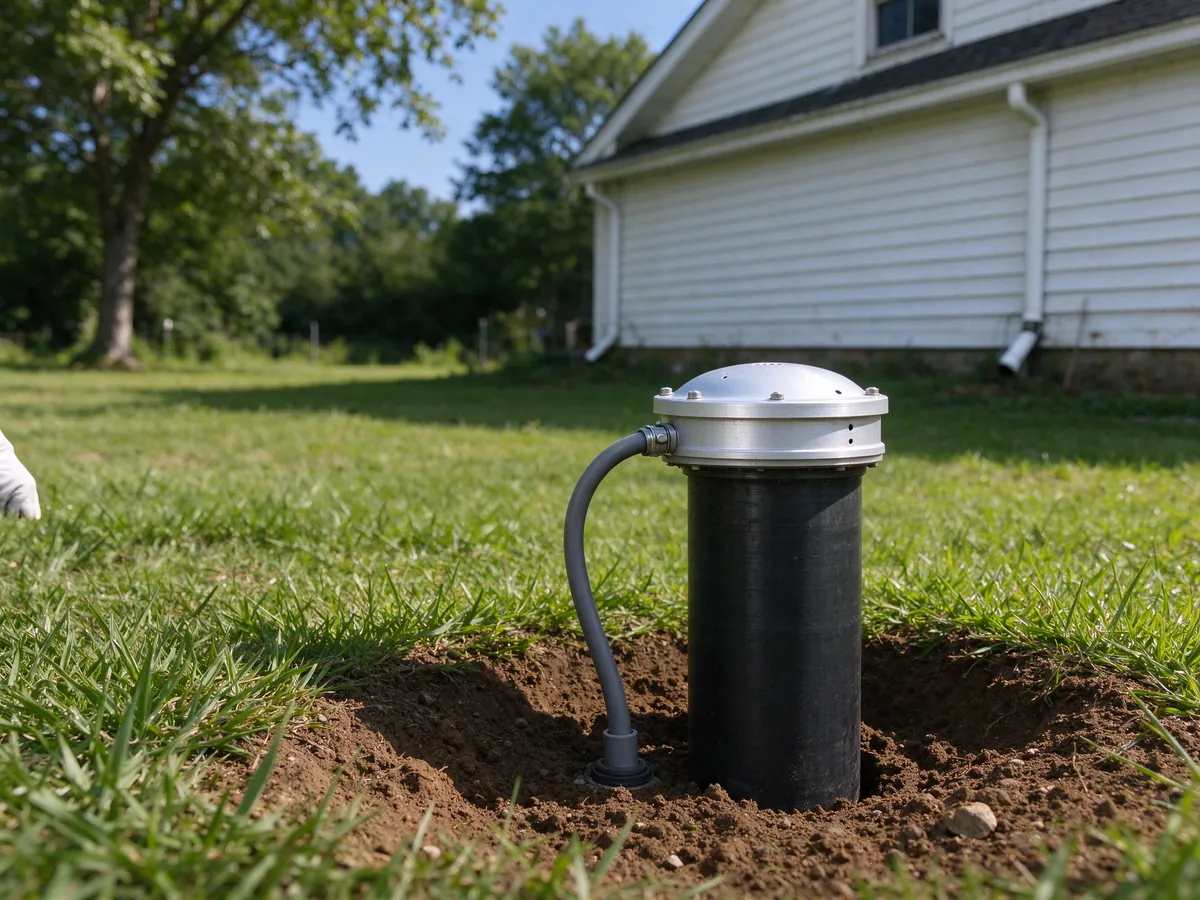
- Inspection of pipe, couplings, splices and the pitless adapter
- Pump and motor sized to the depth, water level and pressure range
- New splices and wire where the old ones fail testing
- Pressure switch and tank checked and set to match
- Well disinfection before the water is used
- Full-cycle test and advice on when to take a bacteria sample
Choosing between the options
| Option | When it fits | What it costs you in disruption | What decides it |
|---|---|---|---|
| Repair a control part | Pump runs normally once the switch, capacitor or relay is replaced | Hours, no pipe pulled | Amp draw and control tests |
| Same-size pump, same setting | Old pump failed of age; the water level and setting are sound | Water off while the pump is out; disinfection after | Motor and wire test, water level |
| Resized pump or new setting | Old pump was oversized, undersized or set too close to the water | As above, plus pipe or wire changes | Static and pumping level, flow needed |
| Pump plus constant pressure drive | Deep well where steady pressure matters | As above, plus drive and wiring | Motor type, wire size, demand |