Last Updated: November 5, 2026
Wellborne repairs irrigation well pumps across Suffolk, Virginia Beach and the communities within about 30 miles: the wells that water lawns, gardens, nurseries and small farms. Irrigation wells sit idle through the winter and then work harder than any household well, and their problems are particular to that pattern.
Where irrigation wells are common
In northern Virginia Beach, USGS reports that groundwater is used mainly for non-drinking needs, irrigation above all, and the Hampton Roads Planning District Commission counts more than 20,000 private wells in the city’s shallow aquifer serving irrigation, heat pumps and some household use. In Suffolk and Isle of Wight, irrigation wells water larger lots and farms, sometimes from a separate shallow well and sometimes from the house well.
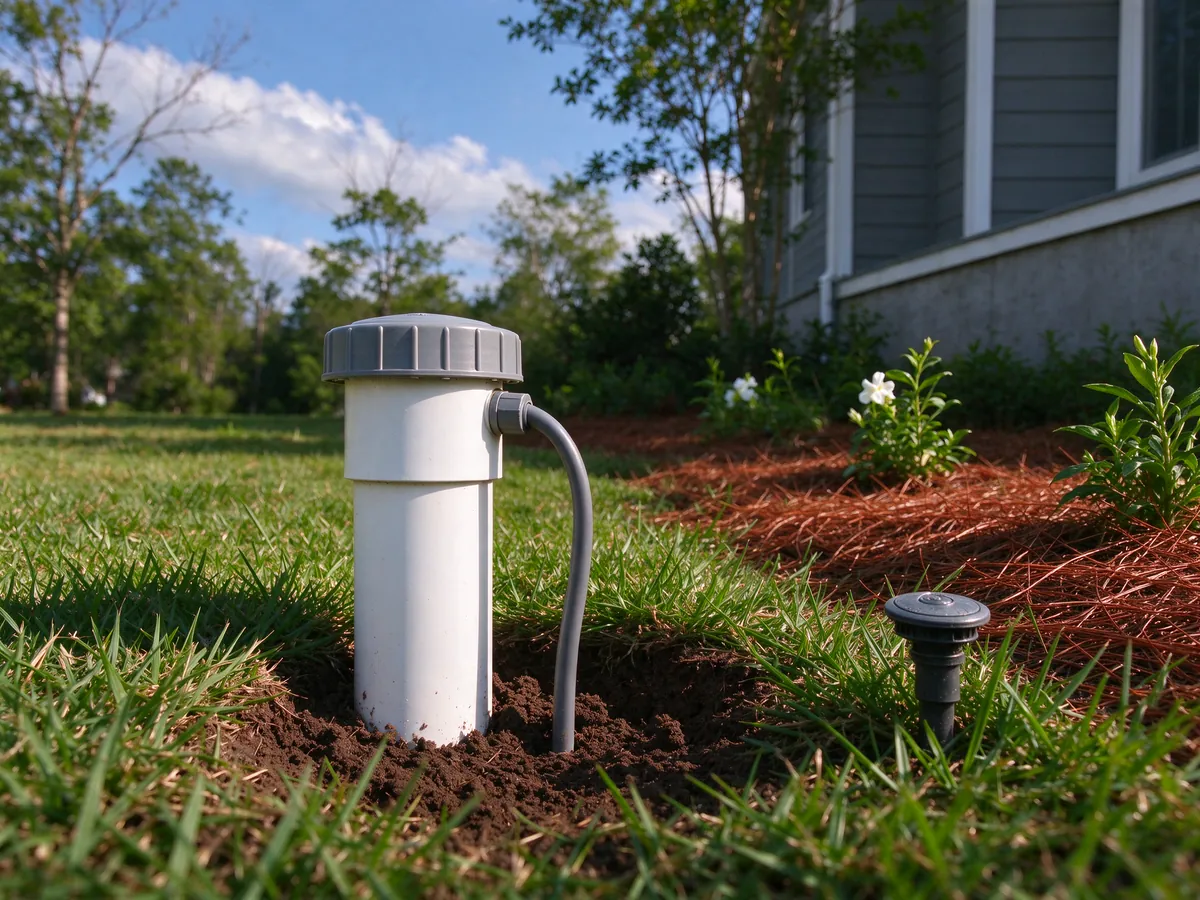
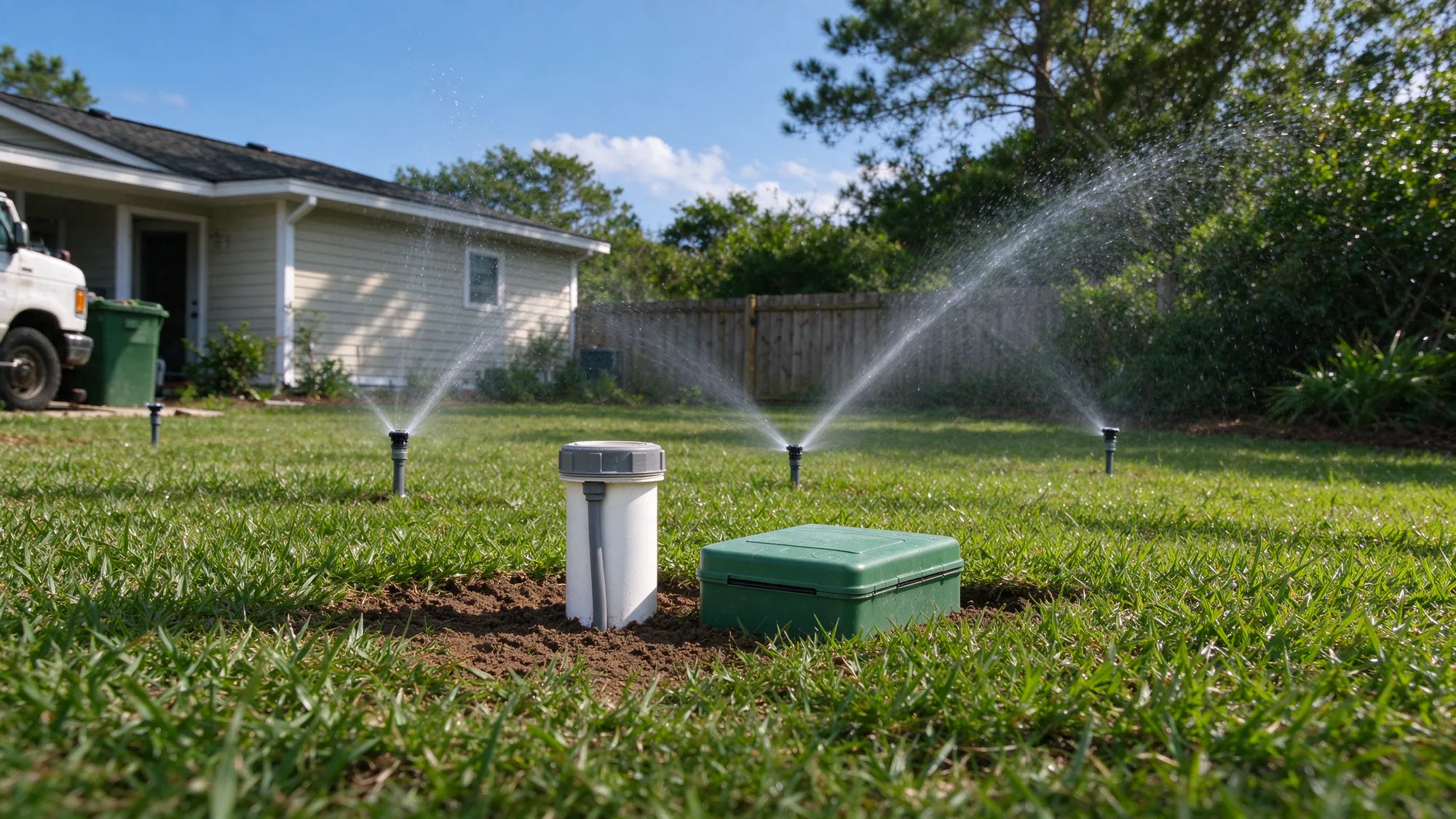
Most residential irrigation wells are shallow, with a jet pump or a small submersible and a pressure tank. Larger agricultural systems use bigger submersibles and are covered under farm and commercial wells.
The spring start-up problem
An irrigation pump that sat all winter often fails in the first week of heavy use. A foot valve that has worn lets the suction line drain, so a jet pump will not hold its prime. A cold snap may have cracked a fitting or the pump housing. A pressure switch that sat idle may stick. Starting the system before the season, running each zone while watching the gauge, and fixing what shows up is far easier in April than in a July dry spell.
Matching the pump to the zones
A sprinkler system asks the pump for a fixed flow at a fixed pressure every time a zone opens. If the largest zone needs more water than the pump can deliver at that pressure, the heads at the end of the line barely pop up. If the zones are much smaller than the pump’s output, the pump short-cycles between them. A worn pump, often worn by sand or iron, slowly falls behind the zones it once ran well.
So irrigation repairs start by watching each zone run: pressure at the pump, cycling, and what the heads do. The fix might be a new pump sized to the largest zone, splitting an oversized zone, a larger tank, or servicing clogged heads and filters, rather than simply the biggest pump that fits.
Jet pumps, prime and suction leaks
On shallow irrigation wells, a jet pump that loses prime is the most common call. Air gets into the suction side through a cracked fitting, a leaking joint or a worn foot valve, or the water table drops below what the pump can lift. The suction side is pressure-tested to find the leak. Where the casing allows, replacing a troublesome jet with a small submersible ends prime problems.
Iron and staining
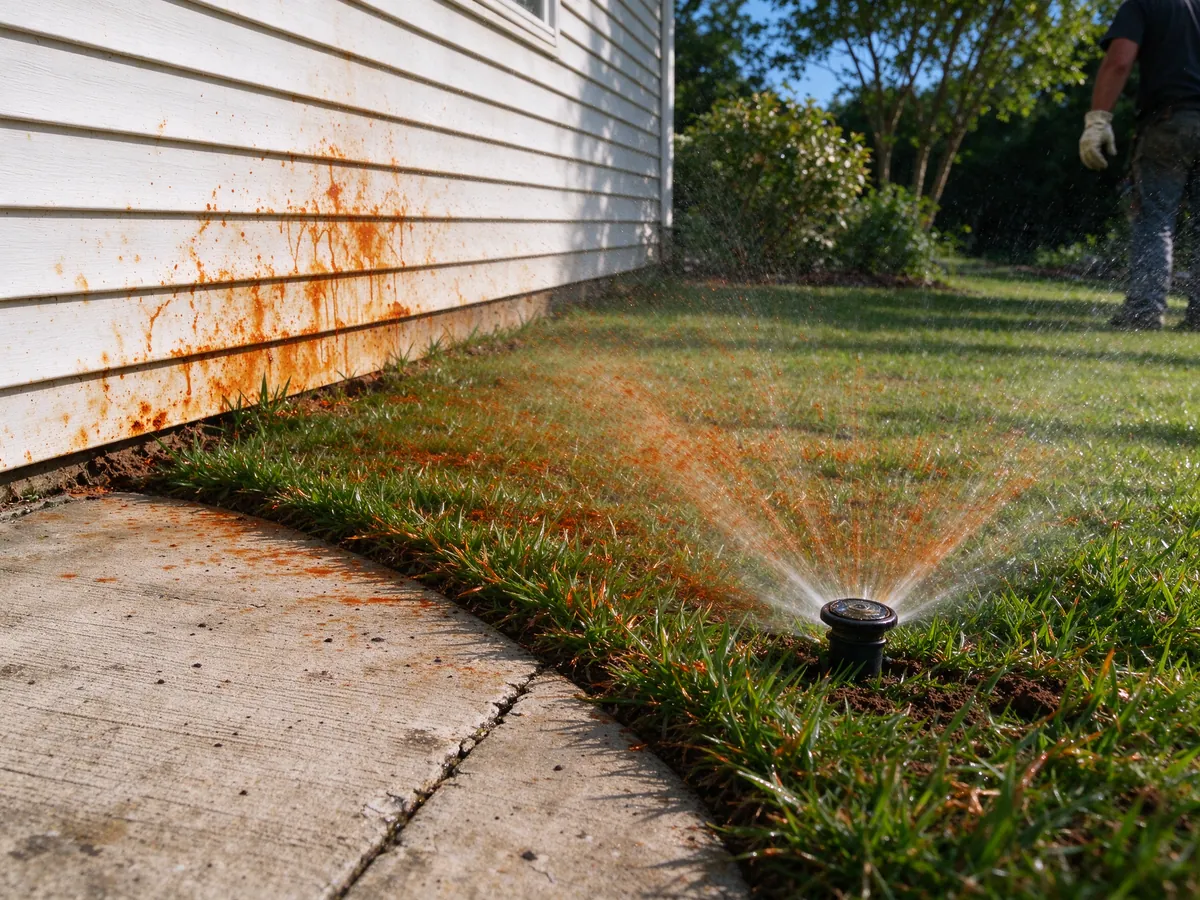
Shallow groundwater in the region often carries iron. Sprayed on siding, walks, fences and cars, it leaves orange stains that are hard to remove. USGS lists iron alongside chloride and sulfur as reasons groundwater cannot be used in many parts of Virginia Beach. The options are an iron filter on the irrigation supply, a different well or depth with better water, or adjusting heads so they do not spray hard surfaces. Iron bacteria can also foul the pump, foot valve and heads, so periodic cleaning helps.
Salt near the coast
Near the coast, deeper is not always better. USGS reports that water below roughly 150 to 200 feet under Virginia Beach is generally too salty for drinking or irrigation, and that heavy pumping in the shallow aquifer can draw water levels below sea level. USGS and the city run a real-time chloride monitoring network for that reason. If irrigation water starts to burn plants or leave white crusts, a chloride test is the first step.
Permits for new irrigation wells
A new or deepened irrigation well needs a Virginia Department of Health permit. In Virginia Beach, the Health Department offers a Class IV Express Well Application for non-drinking wells on properties with no active septic system, signed by the owner and the well driller. Elsewhere, the standard VDH construction permit applies, with its $300 fee and setbacks from septic systems and buildings. Repairing or replacing the pump on an existing well needs no well permit.
Fall shutdown
Before winter, an irrigation system that will sit idle benefits from a little care: draining the pump and exposed lines where they are at risk of freezing, switching off the pump’s breaker so it cannot start against an empty system, and noting anything that did not work right at the end of the season. Starting next spring with a known list is easier than discovering it on the first hot day.
Who does the work
Irrigation well repairs are carried out by water well systems providers certified through DPOR, Virginia’s licensing department.
Irrigation from the house well
Many Suffolk properties water the lawn from the same well that supplies the house. That works when the well and pump have capacity to spare, but it has costs. Long irrigation runs put the most hours on the pump, which shortens its life. Running a zone while someone showers drops pressure for both. On a well with limited yield, hours of irrigation can draw the water level down toward the pump. Scheduling irrigation for quiet hours, keeping run times reasonable, and fitting a rain sensor so the system does not water in a storm all reduce the load. Where the lot allows, a separate shallow irrigation well keeps the house supply out of it entirely.
Large systems and the state withdrawal limit
Suffolk, Isle of Wight and the rest of the area sit in Virginia’s Eastern Virginia Groundwater Management Area. Any withdrawal of 300,000 gallons or more in a month needs a separate groundwater withdrawal permit from Virginia DEQ. Household lawns are far below that, but nurseries, sod farms and large agricultural irrigation can approach it. Knowing roughly how much a system pumps in its busiest month is worth doing before expanding it.
Signs an irrigation pump is wearing out
A pump that takes longer each season to bring a zone up to pressure, runs hotter, trips its overload in hot weather, or needs priming more and more often is telling you something. Sand and iron wear impellers and seals faster on irrigation wells than on most household wells, because of the hours they run and the shallow water they draw. Catching wear before peak season avoids a dead pump in the middle of a drought.
What is included
- Prime and pressure checks on jet pumps
- Suction leak and foot valve tests
- Pressure switch and tank check
- Zone demand compared to pump output
- Pump repair or replacement sized to the zones
- Iron filter or cleaning recommendations
- Spring start-up and fall shutdown
- New well permits and siting where needed
Choosing between the options
| Problem | Usual cause | Fix |
|---|---|---|
| Pump loses prime | Suction leak, worn foot valve, falling water table | Find and fix the leak or reset the pump |
| Weak sprinklers | Zone bigger than the pump, worn pump, clogged heads | Split zones, resize or service |
| Orange stains | Iron in shallow groundwater | Iron filter, cleaning or redirecting heads |
| Pump short cycles between zones | Small or waterlogged tank | Recharge or upsize the tank |
| Salty or brackish water | Well too deep near the coast or pumping draw | Test chloride; consider a shallower supply |